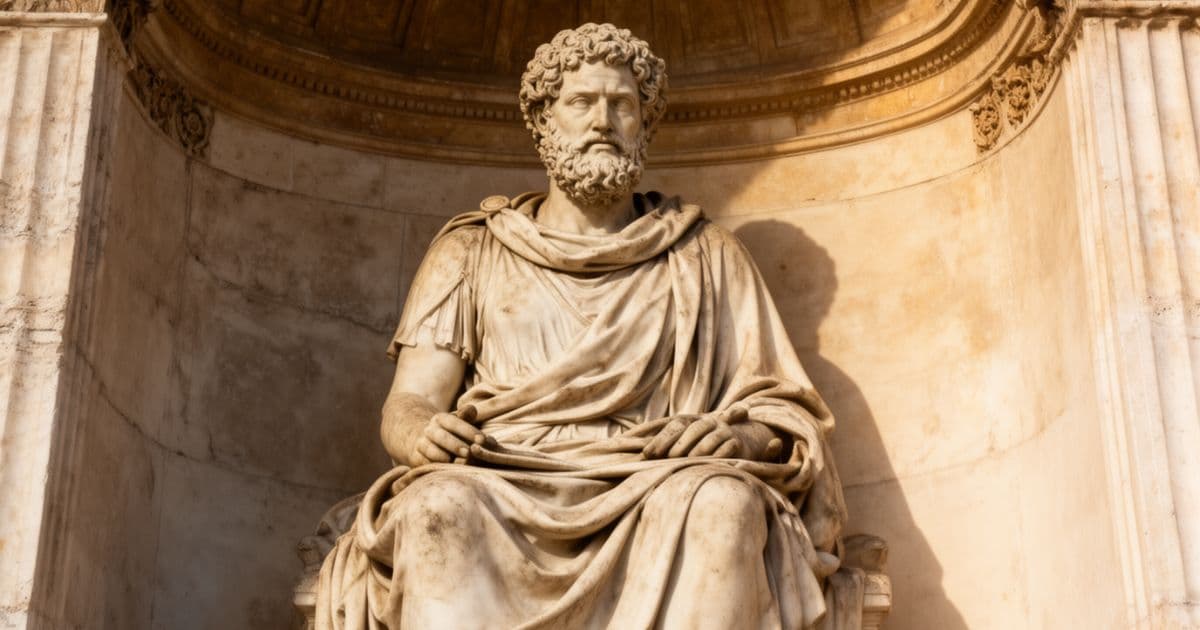
An excerpt from the original text.(complete · 81 words)
68.
e who in (Tao's) wars has skill
Assumes no martial port;
He who fights with most good will
To rage makes no resort.
He who vanquishes yet still
Keeps from his foes apart;
He whose hests men most fulfil
Yet humbly plies his art.
Thus we say, 'He ne'er contends,
And therein is his might.'
Thus we say, 'Men's wills he bends,
That they with him unite.'
Thus we say, 'Like Heaven's his ends,
No sage of old more bright.'
Master this chapter. Complete your experience
Purchase the complete book to access all chapters and support classic literature
As an Amazon Associate, we earn a small commission from qualifying purchases at no additional cost to you.
Available in paperback, hardcover, and e-book formats
Let's Analyse the Pattern
The most effective approach to conflict involves aligning interests rather than forcing compliance, achieving goals through cooperation instead of domination.
Why This Matters
Connect literature to life
This chapter teaches you to recognize when someone is using force versus influence, and why influence creates more sustainable results.
Practice This Today
This week, notice when someone tries to change your behavior—do they demand compliance or make cooperation feel like your idea? Try the second approach next time you need someone to do something.
Now let's explore the literary elements.
Key Quotes & Analysis
"He who in (Tao's) wars has skill Assumes no martial port"
Context: Opening description of the ideal approach to conflict
This reveals that true skill in handling life's battles doesn't require intimidation or aggressive posturing. The most effective people often don't look threatening at all - their power comes from wisdom, not fear.
In Today's Words:
The people who are really good at handling conflict don't need to act tough or threatening.
"He who vanquishes yet still Keeps from his foes apart"
Context: Describing how the wise person handles victory
Even when winning, the sage doesn't humiliate or destroy their opponents. This creates the possibility for future cooperation and prevents the cycle of revenge that comes from crushing others.
In Today's Words:
When you win an argument, don't rub it in their face - you might need to work with them tomorrow.
"Thus we say, 'He ne'er contends, And therein is his might.'"
Context: Explaining the paradox of power through non-resistance
This captures the central paradox - by not fighting in the conventional sense, this person becomes more powerful. They achieve their goals through alignment rather than domination.
In Today's Words:
The strongest people are often those who don't pick fights - they find ways to get what they need without making enemies.
"Men's wills he bends, That they with him unite"
Context: Describing how the sage influences others
This isn't about manipulation but about finding common ground. The sage helps people see how their interests align with the greater good, creating willing cooperation rather than forced compliance.
In Today's Words:
They get people on their side by showing how everyone benefits when they work together.
Thematic Threads
Power
In This Chapter
True power doesn't need to announce itself or dominate others—it works through influence and strategic patience
Development
Builds on earlier themes about soft power and wu wei, showing practical applications in conflict
In Your Life:
You might notice this when the calmest person in a heated meeting often gets their way
Humility
In This Chapter
Effective leaders remain humble even in positions of authority, never gloating over victories
Development
Continues the thread about humility as strength, now applied to leadership dynamics
In Your Life:
You see this when supervisors who admit mistakes earn more respect than those who never apologize
Conflict Resolution
In This Chapter
The skilled person doesn't contend in traditional ways but finds paths that avoid direct confrontation
Development
Introduced here as a new application of Taoist principles to interpersonal challenges
In Your Life:
This applies when you're dealing with difficult family members or workplace tensions
Emotional Regulation
In This Chapter
The wise person doesn't get angry or lose their temper even when fighting for important causes
Development
Builds on earlier themes about maintaining inner calm amid external chaos
In Your Life:
You might recognize this when staying calm during arguments actually helps you communicate better
Natural Wisdom
In This Chapter
Following nature's example of achieving goals through persistence rather than force
Development
Continues the pattern of learning from natural processes as models for human behavior
In Your Life:
You see this when consistent small efforts accomplish more than dramatic gestures
You now have the context. Time to form your own thoughts.
Discussion Questions
- 1
According to Lao Tzu, how does someone skilled in conflict handle disagreements differently from what we might expect?
analysis • surface - 2
Why does the chapter suggest that 'never contending' is actually more powerful than fighting directly?
analysis • medium - 3
Think about a leader you respect - at work, in your community, or in your family. How do they handle conflicts without 'contending'?
application • medium - 4
When you're dealing with a difficult person - a coworker, family member, or customer - how could you apply this 'water flowing around rock' approach?
application • deep - 5
What does this chapter reveal about why some people seem to get their way without ever raising their voice or making demands?
reflection • deep
Critical Thinking Exercise
Map Your Next Conflict Strategy
Think of a current disagreement or tension in your life - with a family member, coworker, neighbor, or institution. Write down what you want to achieve, then brainstorm three ways you could align your interests with theirs instead of fighting directly. Focus on what they need, not just what you want.
Consider:
- •What fears or pressures might be driving their behavior?
- •How could achieving your goal also solve a problem for them?
- •What would 'flowing like water' look like in this specific situation?
Journaling Prompt
Write about a time when someone changed your mind or got you to cooperate without arguing or forcing you. What did they do that worked? How did it feel different from being pressured or manipulated?
Coming Up Next...
Chapter 69: The Gentle Warrior's Strategy
The next chapter shifts to military strategy, where a master warrior explains why he prefers to be on defense rather than offense, and why retreating can be the smartest advance of all.