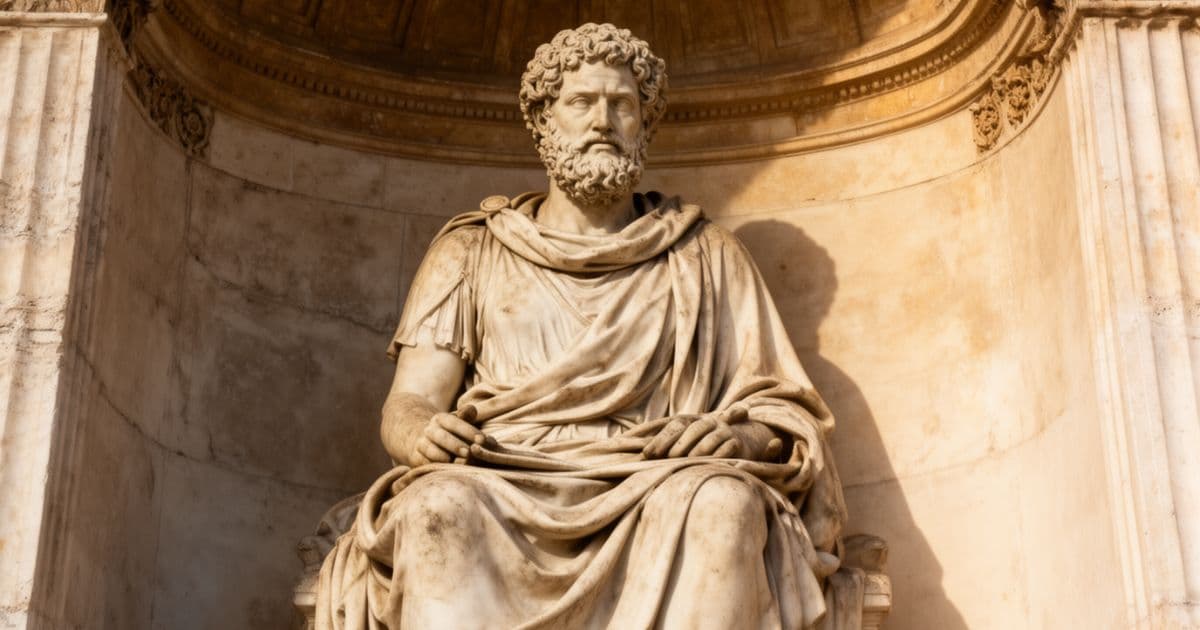
An excerpt from the original text.(complete · 113 words)
53. 1. f I were suddenly to become known, and (put into a position
to) conduct (a government) according to the Great Tao, what I should
be most afraid of would be a boastful display.
2. The great Tao (or way) is very level and easy; but people love the
by-ways.
3. Their court(-yards and buildings) shall be well kept, but their
fields shall be ill-cultivated, and their granaries very empty. They
shall wear elegant and ornamented robes, carry a sharp sword at their
girdle, pamper themselves in eating and drinking, and have a
superabundance of property and wealth;--such (princes) may be called
robbers and boasters. This is contrary to the Tao surely!
Master this chapter. Complete your experience
Purchase the complete book to access all chapters and support classic literature
As an Amazon Associate, we earn a small commission from qualifying purchases at no additional cost to you.
Available in paperback, hardcover, and e-book formats
Let's Analyse the Pattern
When people in positions of responsibility prioritize looking important over being effective, they transform from servants into parasites.
Why This Matters
Connect literature to life
This chapter teaches how to spot when leaders have switched from serving their mission to serving themselves.
Practice This Today
This week, notice when someone in authority justifies their comfort while others under their care struggle—ask yourself what they're actually producing versus consuming.
Now let's explore the literary elements.
Key Quotes & Analysis
"The great Tao (or way) is very level and easy; but people love the by-ways."
Context: He's explaining why simple solutions get ignored in favor of complicated schemes
This reveals human nature's tendency to complicate things unnecessarily. We often reject straightforward solutions because they don't feel special or clever enough.
In Today's Words:
The right way is usually simple, but people love to overcomplicate things.
"What I should be most afraid of would be a boastful display."
Context: He imagines himself suddenly given political power
This shows remarkable self-awareness about how power corrupts. He knows the real danger isn't making mistakes - it's letting ego take over.
In Today's Words:
If I got promoted tomorrow, my biggest worry wouldn't be screwing up - it would be getting a big head about it.
"They shall wear elegant and ornamented robes, carry a sharp sword at their girdle, pamper themselves in eating and drinking, and have a superabundance of property and wealth"
Context: He's describing corrupt leaders who live lavishly while their people struggle
This paints a vivid picture of leaders who prioritize personal luxury over public service. The contrast between their wealth and their people's empty granaries shows misplaced values.
In Today's Words:
They'll wear designer clothes, show off their power, eat at expensive restaurants, and hoard money while their people struggle.
Thematic Threads
Class
In This Chapter
Leaders who live in luxury while their people struggle with basic needs
Development
Builds on earlier themes about natural equality and artificial hierarchies
In Your Life:
You might see this in managers who demand sacrifices they won't make themselves.
Authenticity
In This Chapter
The contrast between genuine service and performative leadership
Development
Deepens the theme of natural versus artificial behavior
In Your Life:
You might catch yourself performing your role instead of actually doing it.
Social Expectations
In This Chapter
The pressure to display wealth and status as proof of success
Development
Continues exploration of how social pressure corrupts natural behavior
In Your Life:
You might feel pressure to spend money you don't have to look successful.
Personal Growth
In This Chapter
The importance of self-awareness about your own motivations
Development
Reinforces the need for honest self-examination
In Your Life:
You might need to regularly check whether you're serving your purpose or your ego.
Human Relationships
In This Chapter
How power imbalances corrupt relationships between leaders and followers
Development
Explores how inequality damages human connection
In Your Life:
You might notice how authority changes how people interact with you.
You now have the context. Time to form your own thoughts.
Discussion Questions
- 1
What specific behaviors does Lao Tzu describe when leaders become 'robbers and boasters'?
analysis • surface - 2
Why does Lao Tzu say his biggest fear would be showing off rather than making mistakes?
analysis • medium - 3
Where do you see this pattern of leaders living lavishly while their people struggle in today's world?
application • medium - 4
How can you tell the difference between someone who needs certain privileges to do their job versus someone who's just showing off?
application • deep - 5
What does this chapter reveal about how power changes people, and how can someone in authority protect themselves from this corruption?
reflection • deep
Critical Thinking Exercise
Audit the Performance vs. Purpose
Think of someone in authority you encounter regularly - a boss, teacher, politician, or community leader. List their visible privileges or lifestyle choices in one column, and their actual contributions or results in another column. Then analyze whether these two columns align or if there's a disconnect between what they consume and what they produce.
Consider:
- •Look for gaps between stated mission and personal lifestyle
- •Consider whether their privileges serve the role or just serve them
- •Notice if they make decisions that benefit themselves at others' expense
Journaling Prompt
Write about a time when you caught yourself caring more about looking important than doing good work. What triggered that shift, and how did you recognize it?
Coming Up Next...
Chapter 54: Building Something That Lasts
After exposing what's wrong with flashy leadership, Lao Tzu will show us what genuine strength and security actually look like. The next chapter explores how to build something that truly lasts.