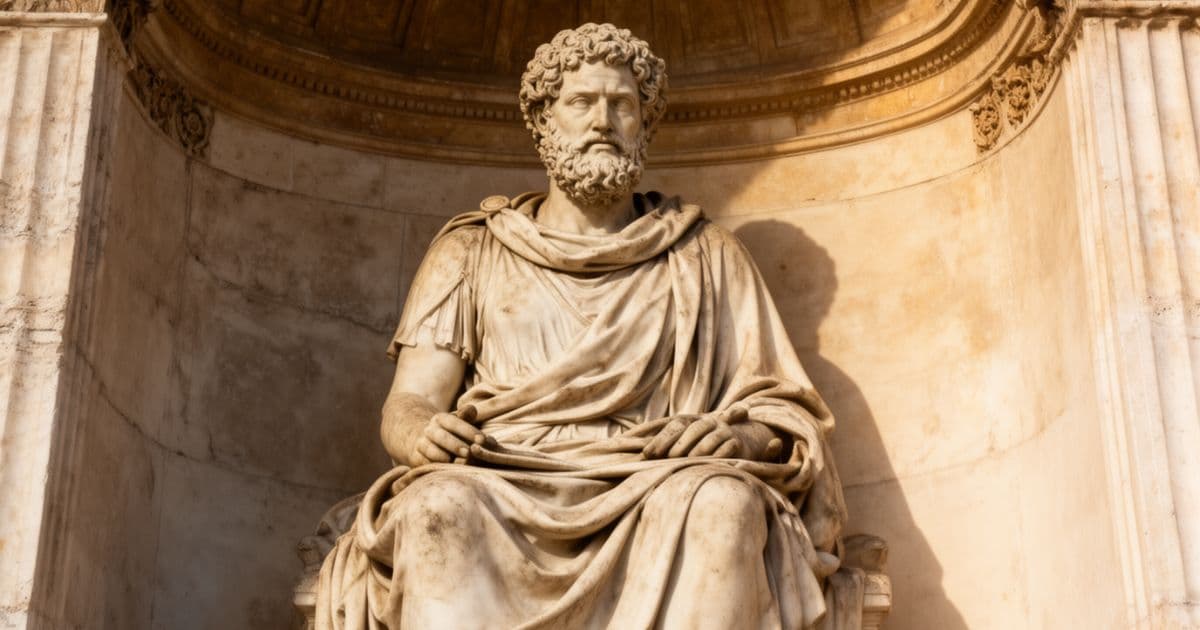
An excerpt from the original text.(complete · 101 words)
4. 1. he Tao is (like) the emptiness of a vessel; and in our
employment of it we must be on our guard against all fulness. How
deep and unfathomable it is, as if it were the Honoured Ancestor of
all things!
2. We should blunt our sharp points, and unravel the complications of
things; we should attemper our brightness, and bring ourselves into
agreement with the obscurity of others. How pure and still the Tao
is, as if it would ever so continue!
3. I do not know whose son it is. It might appear to have been before
God.
Master this chapter. Complete your experience
Purchase the complete book to access all chapters and support classic literature
As an Amazon Associate, we earn a small commission from qualifying purchases at no additional cost to you.
Available in paperback, hardcover, and e-book formats
Let's Analyse the Pattern
Strategic restraint and flexibility often accomplish more than force and aggression.
Why This Matters
Connect literature to life
This chapter teaches how to recognize when force creates resistance and when yielding creates influence.
Practice This Today
This week, notice when someone gains more respect by listening than by talking, or when backing down from an argument actually strengthens their position.
Now let's explore the literary elements.
Key Quotes & Analysis
"The Tao is like the emptiness of a vessel; and in our employment of it we must be on our guard against all fulness."
Context: Opening the chapter by introducing the paradox of useful emptiness
This sets up the central teaching that what appears empty or passive often holds the most power. He warns against trying to fill every space or control every outcome.
In Today's Words:
The most powerful force works like empty space in a cup - it's the emptiness that makes it useful, so don't try to cram everything full.
"We should blunt our sharp points, and unravel the complications of things; we should attemper our brightness, and bring ourselves into agreement with the obscurity of others."
Context: Giving practical advice for how to live in harmony with the Tao
This is a blueprint for social wisdom - soften your edges, simplify instead of complicating, and don't always need to be the brightest person in the room. It's about strategic humility.
In Today's Words:
Don't always come at people with your strongest opinions, keep things simple instead of creating drama, and tone down your energy to match the room.
"I do not know whose son it is. It might appear to have been before God."
Context: Admitting the mystery and ancient nature of the Tao
Even the teacher admits there are limits to his understanding. This humility reinforces the teaching - the most profound truths can't be fully grasped or controlled.
In Today's Words:
I honestly don't know where this wisdom comes from - it feels older than anything we can imagine.
Thematic Threads
Power
In This Chapter
True power operates quietly, through emptiness and restraint rather than force
Development
Introduced here
In Your Life:
You might notice this when the quiet person in meetings actually has the most influence.
Identity
In This Chapter
Blunting sharp edges and dimming brightness to match others' energy
Development
Introduced here
In Your Life:
You might struggle with this when you want credit for your ideas but know staying quiet would be more strategic.
Social Expectations
In This Chapter
Challenging cultural obsession with being seen, heard, and validated
Development
Introduced here
In Your Life:
You might feel this pressure on social media to constantly showcase achievements and opinions.
Personal Growth
In This Chapter
Learning to untangle complications rather than create more drama
Development
Introduced here
In Your Life:
You might recognize this when you choose to de-escalate family conflicts instead of proving you're right.
Humility
In This Chapter
Admitting we don't fully understand the source of wisdom
Development
Introduced here
In Your Life:
You might experience this when you realize the best advice you give comes from intuition you can't fully explain.
You now have the context. Time to form your own thoughts.
Discussion Questions
- 1
What does Lao Tzu mean when he says emptiness is what makes things useful? Can you think of examples from your own life where 'empty space' serves a purpose?
analysis • surface - 2
Why does Lao Tzu suggest we should 'blunt our sharp edges' and 'dim our brightness'? What's the difference between this and just being a pushover?
analysis • medium - 3
Think about your workplace or family dynamics. Where do you see people gaining influence through stepping back rather than pushing forward?
application • medium - 4
Describe a situation where you could use the 'water around rocks' approach instead of direct confrontation. What would that look like practically?
application • deep - 5
What does this chapter suggest about the relationship between humility and power? How does this challenge common ideas about leadership and success?
reflection • deep
Critical Thinking Exercise
Map Your Energy Battles
Think about the last week and identify three situations where you used force or directness to try to get what you wanted. For each situation, write down what happened and then reimagine how you could have used the 'water around rocks' approach instead. What would strategic softness have looked like in each case?
Consider:
- •Consider whether the outcome would have been different with a softer approach
- •Think about the energy cost of each approach - which one would have been more sustainable?
- •Notice patterns in when you default to force versus when you naturally choose flexibility
Journaling Prompt
Write about a person in your life who seems to get their way without ever appearing to fight for it. What specific behaviors do they use? How do people respond to them differently than they respond to more aggressive personalities?
Coming Up Next...
Chapter 5: Using Your Inner Light Wisely
The next chapter explores how the universe treats all things with equal indifference - and why this apparent coldness might actually be the most compassionate approach of all.