Amplified ClassicsAmplified Classics
Literature MattersLife IndexEducators
Sign inSign up
Letters from a Stoic - Finding Stillness in a Restless World

Seneca

Letters from a Stoic

Finding Stillness in a Restless World

Home›Books›Letters from a Stoic›Chapter 69
Back to Letters from a Stoic
4 min read•Letters from a Stoic•Chapter 69 of 124

What You'll Learn

Why constantly changing your environment undermines inner peace

How to break free from old habits by controlling your surroundings

The courage to face life's end with acceptance rather than fear

Previous
69 of 124
Next

Summary

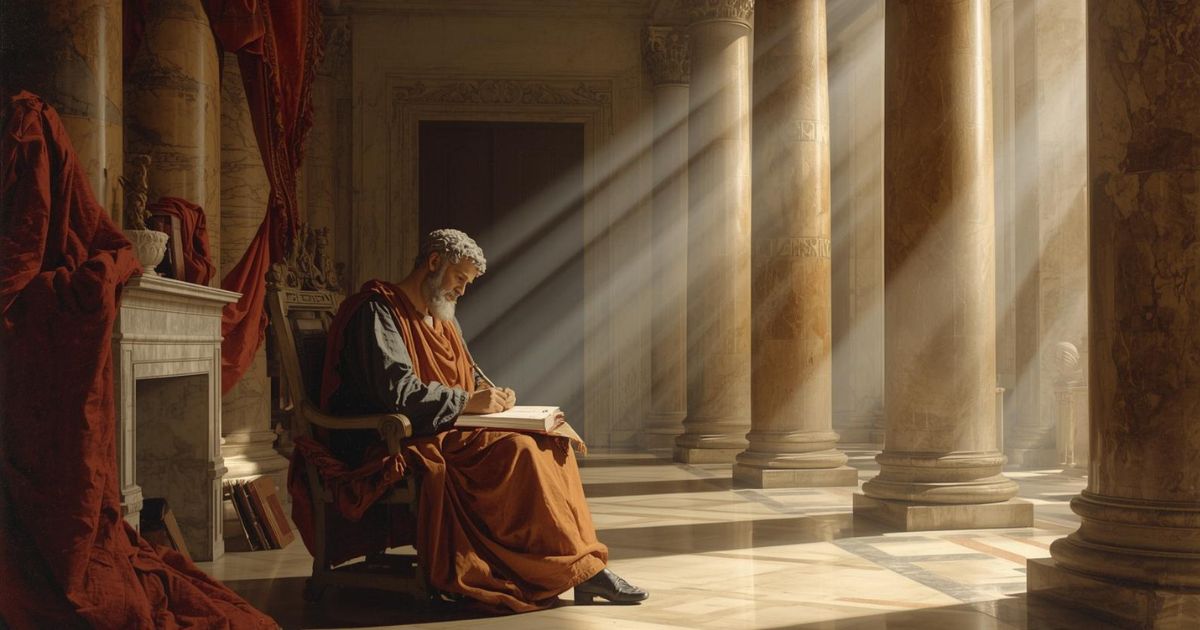
Seneca writes to Lucilius about the importance of staying put rather than constantly moving from place to place. He argues that physical restlessness reflects mental restlessness, and that true wisdom requires settling down long enough to let your mind find peace. Like someone trying to get over an ex-lover, Seneca explains, you need to avoid the places and things that trigger your old destructive patterns. Every time you expose yourself to familiar temptations—whether it's the lure of money, luxury, or status—you're making it harder to build the new life you want. The philosopher emphasizes that breaking bad habits takes time and consistency. You can't expect to transform yourself if you keep interrupting the process by changing locations or returning to old environments. In the letter's most striking passage, Seneca shifts to discussing death, urging Lucilius to welcome it rather than fear it. He challenges the common saying that 'it's beautiful to die one's own death,' arguing instead that everyone dies their own death anyway—the only question is whether you face it with courage or terror. This isn't about seeking death, but about accepting that your time is limited and belongs to you alone. Seneca's message resonates today for anyone trying to break cycles of addiction, toxic relationships, or self-destructive behavior. His advice is practical: change your environment, avoid triggers, stay consistent, and remember that transformation takes time. The letter reminds us that real change requires both external discipline and internal acceptance of life's fundamental realities.

Coming Up in Chapter 70

Seneca returns to his hometown of Pompeii after many years away, triggering a flood of memories about youth, aging, and the passage of time. His reflections on seeing familiar places will explore how we should handle nostalgia and the inevitable changes that come with growing older.
Share it with friends

Previous ChapterNext Chapter
GO ADS FREE — JOIN US

An excerpt from the original text.(~500 words)

L

←etter 68. On wisdom and retirementMoral letters to Luciliusby Seneca, translated by Richard Mott GummereLetter 69. On rest and restlessnessLetter 70. On the proper time to slip the cable→483202Moral letters to Lucilius — Letter 69. On rest and restlessnessRichard Mott GummereSeneca ​ LXIX. ON REST AND RESTLESSNESS 1. I do not like you to change your headquarters and scurry about from one place to another. My reasons are,—first, that such frequent flitting means an unsteady spirit. And the spirit cannot through retirement grow into unity unless it has ceased from its inquisitiveness and its wanderings. To be able to hold your spirit in check, you must first stop the runaway flight of the body. 2. My second reason is, that the remedies which are most helpful are those which are not interrupted.[1] You should not allow your quiet, or the oblivion to which you have consigned your former life, to be broken into. Give your eyes time to unlearn what they have seen, and your ears to grow accustomed to more wholesome words. Whenever you stir abroad you will meet, even as you pass from one place to another, things that will bring back your old cravings. 3. Just as he who tries to be rid of an old love must avoid every reminder of the person once held dear (for nothing grows again so easily as love), similarly, he who would lay aside his desire for all the things which he ​used to crave so passionately, must turn away both eyes and ears from the objects which he has abandoned. The emotions soon return to the attack; 4. at every turn they will notice before their eyes an object worth their attention. There is no evil that does not offer inducements. Avarice promises money; luxury, a varied assortment of pleasures; ambition, a purple robe and applause, and the influence which results from applause, and all that influence can do. 5. Vices tempt you by the rewards which they offer; but in the life of which I speak, you must live without being paid. Scarcely will a whole life-time suffice to bring our vices into subjection and to make them accept the yoke, swollen as they are by long-continued indulgence; and still less, if we cut into our brief span by any interruptions. Even constant care and attention can scarcely bring any one undertaking to full completion. 6. If you will give ear to my advice, ponder and practise this,—how to welcome death, or even, if circumstances commend that course, to invite it. There is no difference whether death comes to us, or whether we go to death. Make yourself believe that all ignorant men are wrong when they say: “It is a beautiful thing to die one’s own death.”[2] But there is no man who does not die his own death. What is more, you may reflect on this thought: No one dies except on his own day. You are throwing away none of your own time; for what you leave behind...

Master this chapter. Complete your experience

Purchase the complete book to access all chapters and support classic literature

Read Free on GutenbergBuy at Powell'sBuy on Amazon

As an Amazon Associate, we earn a small commission from qualifying purchases at no additional cost to you.

Available in paperback, hardcover, and e-book formats

GO ADS FREE — JOIN US

Intelligence Amplifier™ Analysis

Pattern: The Restless Escape Cycle

The Restless Escape Cycle

When life feels overwhelming, our first instinct is to run. Change jobs, move cities, end relationships, start fresh somewhere else. But Seneca reveals a brutal truth: geographic solutions rarely fix internal problems. The person who keeps changing locations is like someone frantically switching radio stations—they're not looking for better music, they're running from the static in their own head. The mechanism is deceptively simple. Internal discomfort creates the urge to move. Movement provides temporary relief by interrupting painful patterns. But since the core issue travels with you, discomfort returns. Each move reinforces the belief that external change equals internal progress, creating an addictive cycle. Meanwhile, the real work—sitting still long enough to process emotions, build new habits, face uncomfortable truths—never happens. This pattern dominates modern life. The nurse who switches hospitals every eighteen months, convinced the next workplace will finally appreciate her skills. The guy who cycles through dating apps, certain the perfect match is just one swipe away. The family that moves to escape debt problems, only to recreate the same spending patterns in their new city. The parent who changes schools for their struggling child, hoping different teachers will solve what's actually a learning difference requiring consistent support. Recognizing this pattern requires honest self-assessment. Ask: 'What am I actually running from?' When you feel the urge to make a major change, pause. Give yourself ninety days to address the internal issue before making external moves. If you're in recovery, avoid your old haunts. If you're building new habits, protect your environment. Change your external circumstances strategically, not reactively. Most importantly, remember that transformation requires time and consistency—two things that constant motion destroys. When you can name the pattern, predict where it leads, and navigate it successfully—that's amplified intelligence.

The tendency to seek external changes as solutions to internal problems, creating a cycle of movement without growth.

Why This Matters

Connect literature to life

Skill: Distinguishing Strategic Change from Reactive Escape

This chapter teaches how to recognize when the urge to make major life changes comes from avoidance rather than genuine opportunity.

Practice This Today

This week, notice when you feel like making a big change—and pause to ask whether you're moving toward something better or running from something difficult.

GO ADS FREE — JOIN US

Now let's explore the literary elements.

Terms to Know

Stoic retirement

The practice of withdrawing from public life to focus on inner development and wisdom. Not about being lazy, but about creating space for reflection and breaking bad habits.

Modern Usage:

Like taking a social media break or moving away from toxic friends to get your head straight.

Spiritual restlessness

The habit of constantly seeking external changes to fix internal problems. Moving from place to place, job to job, or relationship to relationship without addressing the real issues.

Modern Usage:

The person who thinks a new city, new job, or new partner will solve all their problems.

Moral letters

Personal letters meant to teach life lessons through practical advice. Seneca wrote these to his friend Lucilius as a form of philosophical mentorship.

Modern Usage:

Like getting life advice texts from a wise older friend or mentor who's been through it all.

Trigger avoidance

Deliberately staying away from people, places, or situations that pull you back into old destructive patterns. Essential for breaking bad habits or addictions.

Modern Usage:

Unfollowing your ex on social media or avoiding the bar when you're trying to quit drinking.

Death acceptance

The Stoic practice of acknowledging mortality as natural and using that awareness to live more purposefully. Not about being morbid, but about facing reality.

Modern Usage:

Knowing life is short motivates people to stop wasting time on drama and focus on what matters.

Consistency in healing

The idea that real change requires sustained effort without interruption. You can't heal or grow if you keep stopping and starting the process.

Modern Usage:

Like how you can't get fit by working out for a week, quitting for a month, then starting over.

Characters in This Chapter

Seneca

Wise mentor

The letter writer giving practical advice about staying put and avoiding triggers. He's speaking from experience about how to actually change your life, not just dream about it.

Modern Equivalent:

The sponsor in AA who's been sober for years and knows all the tricks your brain plays

Lucilius

Student seeking guidance

The recipient of Seneca's advice who apparently keeps moving around instead of settling down to do the hard work of self-improvement.

Modern Equivalent:

The friend who keeps asking for advice but won't stick with anything long enough to see results

Key Quotes & Analysis

"Such frequent flitting means an unsteady spirit. And the spirit cannot through retirement grow into unity unless it has ceased from its inquisitiveness and its wanderings."

— Seneca

Context: Warning Lucilius about constantly changing locations

Seneca connects physical restlessness to mental chaos. He's saying you can't find inner peace if you're always running around looking for the next thing to fix your problems.

In Today's Words:

If you keep moving around all the time, your mind stays scattered. You can't get your life together if you won't sit still long enough to figure things out.

"Just as he who tries to be rid of an old love must avoid every reminder of the person once held dear, similarly, he who would lay aside his desire for all the things which he used to crave so passionately, must turn away both eyes and ears."

— Seneca

Context: Explaining why you need to avoid triggers when changing your life

This is brilliant practical psychology. Seneca understands that willpower alone isn't enough - you need to control your environment to succeed at breaking bad patterns.

In Today's Words:

Just like you have to block your toxic ex on everything to move on, you have to avoid the stuff that tempts you back into your old bad habits.

"Give your eyes time to unlearn what they have seen, and your ears to grow accustomed to more wholesome words."

— Seneca

Context: Advising on how long real change takes

Seneca recognizes that breaking conditioning takes time. Your brain needs to literally rewire itself, and that happens slowly with consistent new experiences.

In Today's Words:

You need time to get used to a healthier way of living and stop automatically wanting the old toxic stuff.

Thematic Threads

Personal Growth

In This Chapter

Seneca argues that real transformation requires staying put and doing internal work rather than constantly changing external circumstances

Development

Builds on earlier themes about self-discipline and facing reality rather than seeking easy escapes

In Your Life:

You might recognize this when you find yourself wanting to quit, move, or start over instead of addressing the real issue.

Identity

In This Chapter

The letter explores how our relationship with death shapes our identity and approach to living

Development

Connects to ongoing themes about defining yourself by internal values rather than external circumstances

In Your Life:

You might see this in how you define success—by what others think or by your own courage and consistency.

Social Expectations

In This Chapter

Seneca challenges the popular saying about 'dying one's own death,' arguing everyone dies their own death regardless

Development

Continues the pattern of questioning conventional wisdom and social platitudes

In Your Life:

You might notice this when you realize you're following advice that sounds wise but doesn't actually help your situation.

Class

In This Chapter

The advice about avoiding triggers and changing environments reflects the privilege of having choices about where to live and work

Development

Acknowledges the practical limitations many face while still offering applicable wisdom

In Your Life:

You might see this in recognizing which changes are actually within your control versus which ones require resources you don't have.

Human Relationships

In This Chapter

Seneca uses the metaphor of getting over an ex-lover to explain how avoiding triggers helps break destructive patterns

Development

Applies philosophical principles to practical relationship dynamics

In Your Life:

You might recognize this when you realize certain people or places consistently trigger your worst behaviors.

You now have the context. Time to form your own thoughts.

Discussion Questions

  1. 1

    According to Seneca, what's the real problem with constantly changing locations or circumstances when you're trying to improve your life?

    analysis • surface
  2. 2

    Why does Seneca compare breaking bad habits to getting over an ex-lover? What makes both processes similar?

    analysis • medium
  3. 3

    Think about someone you know who frequently changes jobs, relationships, or living situations. What pattern do you notice in their reasons for leaving?

    application • medium
  4. 4

    When you feel the urge to make a major life change, how could you tell the difference between running away from a problem versus making a strategic move forward?

    application • deep
  5. 5

    What does Seneca's advice about staying put reveal about the relationship between external circumstances and internal peace?

    reflection • deep

Critical Thinking Exercise

10 minutes

Map Your Movement Pattern

Think about the last three major changes you made in your life - jobs, relationships, living situations, or major purchases. Write down what you were hoping each change would fix or improve. Then honestly assess: did the change solve the underlying issue, or did similar problems show up in the new situation?

Consider:

  • •Look for recurring themes in what you were trying to escape or achieve
  • •Notice whether the problems you left behind reappeared in new forms
  • •Consider what internal work might have addressed the root issue instead

Journaling Prompt

Write about a time when you wanted to make a major change but decided to stay put and work on the situation instead. What did you learn about yourself in the process?

Coming Up Next...

Chapter 70: When to Leave Life Behind

Seneca returns to his hometown of Pompeii after many years away, triggering a flood of memories about youth, aging, and the passage of time. His reflections on seeing familiar places will explore how we should handle nostalgia and the inevitable changes that come with growing older.

Continue to Chapter 70
Previous
The Art of Strategic Withdrawal
Contents
Next
When to Leave Life Behind

Continue Exploring

Letters from a Stoic Study GuideTeaching ResourcesEssential Life IndexBrowse by ThemeAll Books

You Might Also Like

Meditations cover

Meditations

Marcus Aurelius

Explores personal growth

The Dhammapada cover

The Dhammapada

Buddha

Explores suffering & resilience

The Consolation of Philosophy cover

The Consolation of Philosophy

Boethius

Explores suffering & resilience

The Enchiridion cover

The Enchiridion

Epictetus

Explores suffering & resilience

Browse all 47+ books

Share This Chapter

Know someone who'd enjoy this? Spread the wisdom!

TwitterFacebookLinkedInEmail

Read ad-free with Prestige

Get rid of ads, unlock study guides and downloads, and support free access for everyone.

Subscribe to PrestigeCreate free account
Intelligence Amplifier
Intelligence Amplifier™Powering Amplified Classics

Exploring human-AI collaboration through books, essays, and philosophical dialogues. Classic literature transformed into navigational maps for modern life.

2025 Books

→ The Amplified Human Spirit→ The Alarming Rise of Stupidity Amplified→ San Francisco: The AI Capital of the World
Visit intelligenceamplifier.org
hello@amplifiedclassics.com

AC Originals

→ The Last Chapter First→ You Are Not Lost→ The Lit of Love→ The Wealth Paradox
Arvintech
arvintechAmplify your Mind
Visit at arvintech.com

Navigate

  • Home
  • Library
  • Essential Life Index
  • How It Works
  • Subscribe
  • Account
  • About
  • Contact
  • Authors
  • Suggest a Book

Made For You

  • Students
  • Educators
  • Families
  • Readers
  • Finding Purpose

Newsletter

Weekly insights from the classics.

Amplify Your Mind

Legal

  • Privacy Policy
  • Terms of Service
  • Cookie Policy
  • Accessibility

Why Public Domain?

We focus on public domain classics because these timeless works belong to everyone. No paywalls, no restrictions—just wisdom that has stood the test of centuries, freely accessible to all readers.

Public domain books have shaped humanity's understanding of love, justice, ambition, and the human condition. By amplifying these works, we help preserve and share literature that truly belongs to the world.

© 2025 Amplified Classics™. All Rights Reserved.

Intelligence Amplifier™ and Amplified Classics™ are proprietary trademarks of Arvin Lioanag.

Copyright Protection: All original content, analyses, discussion questions, pedagogical frameworks, and methodology are protected by U.S. and international copyright law. Unauthorized reproduction, distribution, web scraping, or use for AI training is strictly prohibited. See our Copyright Notice for details.

Disclaimer: The information provided on this website is for general informational and educational purposes only and does not constitute professional, legal, financial, or technical advice. While we strive to ensure accuracy and relevance, we make no warranties regarding completeness, reliability, or suitability. Any reliance on such information is at your own risk. We are not liable for any losses or damages arising from use of this site. By using this site, you agree to these terms.