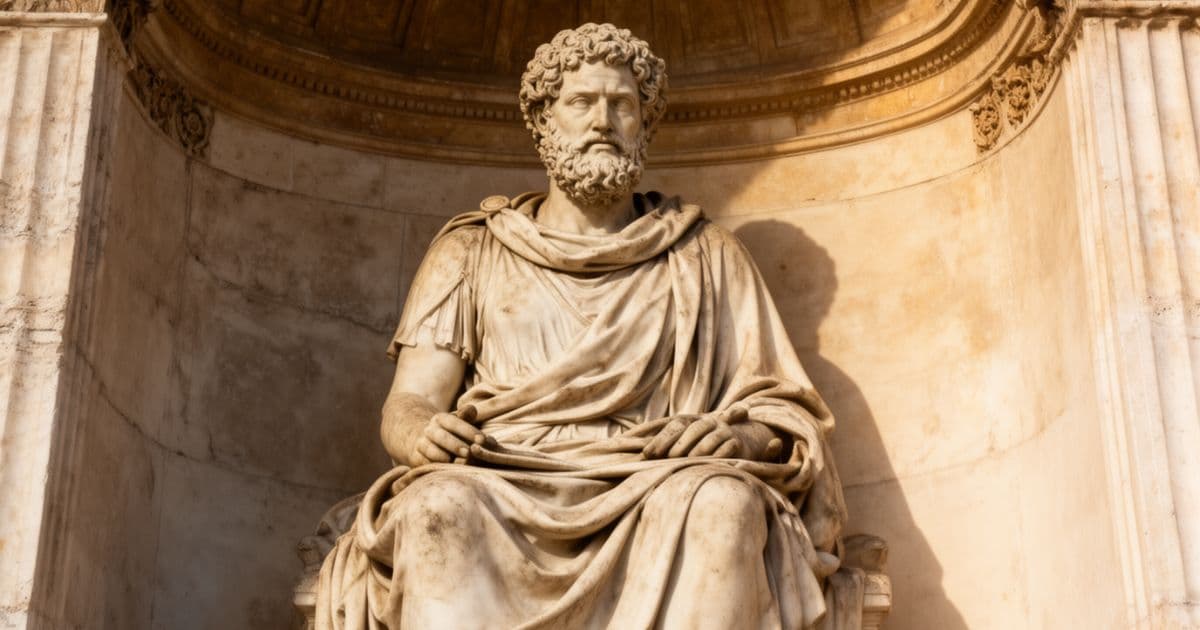
An excerpt from the original text.(complete · 390 words)
←etter 45. On sophistical argumentationMoral letters to Luciliusby Seneca, translated by Richard Mott GummereLetter 46. On a new book by LuciliusLetter 47. On master and slave→483019Moral letters to Lucilius — Letter 46. On a new book by LuciliusRichard Mott GummereSeneca XLVI. ON A NEW BOOK BY LUCILIUS 1. I received the book of yours which you promised me. I opened it hastily with the idea of glancing over it at leisure; for I meant only to taste the volume. But by its own charm the book coaxed me into traversing it more at length. You may understand from this fact how eloquent it was; for it seemed to be written in the smooth style,[1] and yet did not resemble your handiwork or mine, but at first sight might have been ascribed to Titus Livius or to Epicurus. Moreover, I was so impressed and carried along by its charm that I finished it without any postponement. The sunlight called to me, hunger warned, and clouds were lowering; but I absorbed the book from beginning to end. 2. I was not merely pleased; I rejoiced. So full of wit and spirit it was! I should have added “force,” had the book contained moments of repose, or had it risen to energy only at intervals. But I found that there was no burst of force, but an even flow, a style that was vigorous and chaste. Nevertheless I noticed from time to time your sweetness, and here and there that mildness of yours. Your style is lofty and noble; I want you to keep to this manner and this direction. Your subject also contributed something; for this reason you should choose productive topics, which will lay hold of the mind and arouse it. 3. I shall discuss the book more fully after a second perusal; meantime, my judgment is somewhat unsettled, just as if I had heard it read aloud, and had not read it myself. You must allow me to examine it also. You need not be afraid; you shall hear the truth. Lucky fellow, to offer a man no opportunity to tell you lies at such long range! Unless perhaps, even now, when excuses for lying are taken away, custom serves as an excuse for our telling each other lies! Farewell. ↑ Possibly levis in the sense of light, referring to size.
Master this chapter. Complete your experience
Purchase the complete book to access all chapters and support classic literature
As an Amazon Associate, we earn a small commission from qualifying purchases at no additional cost to you.
Available in paperback, hardcover, and e-book formats
Let's Analyse the Pattern
People mistake comfortable lies for friendship, avoiding the harder work of honest, helpful feedback.
Why This Matters
Connect literature to life
This chapter teaches how to distinguish between flattery that feels good and feedback that actually helps someone improve.
Practice This Today
This week, notice when someone asks for your opinion—choose one moment to give specific, honest observations instead of generic praise.
Now let's explore the literary elements.
Key Quotes & Analysis
"I was so impressed and carried along by its charm that I finished it without any postponement. The sunlight called to me, hunger warned, and clouds were lowering; but I absorbed the book from beginning to end."
Context: Describing how captivating he found Lucilius's book
This shows genuine enthusiasm and engagement. Seneca demonstrates that real appreciation involves being specific about what grabbed his attention and why it mattered enough to ignore physical needs.
In Today's Words:
Your book was so good I couldn't put it down - even when I was hungry and it was getting dark outside.
"I was not merely pleased; I rejoiced. So full of wit and spirit it was!"
Context: Expressing his emotional response to the book's quality
Seneca distinguishes between polite satisfaction and genuine delight. He's modeling how to express authentic appreciation while being specific about what created that response.
In Today's Words:
This didn't just make me smile - it actually made me happy. It was so clever and full of life!
"You shall hear the truth, just as if you were present, or I were with you."
Context: Promising honest feedback in his follow-up assessment
This reveals Seneca's commitment to treating distance as no excuse for dishonesty. He's establishing that real friendship requires truth-telling regardless of convenience or comfort.
In Today's Words:
I'm going to tell you exactly what I think, just like I would if we were sitting across from each other.
Thematic Threads
Human Relationships
In This Chapter
Seneca models genuine friendship through honest feedback rather than empty praise
Development
Deepened from earlier letters about friendship to show what real support looks like
In Your Life:
You might notice how often you say 'looks great' instead of offering specific, helpful observations.
Personal Growth
In This Chapter
Growth requires honest assessment, not constant validation
Development
Builds on Stoic themes of self-improvement through truth-seeking
In Your Life:
You might realize you've been seeking comfort instead of the feedback that would actually help you improve.
Social Expectations
In This Chapter
Society expects polite lies over helpful truths, especially across distances
Development
Continues examination of how social norms often work against genuine connection
In Your Life:
You might recognize how you default to 'being nice' instead of being genuinely helpful.
Class
In This Chapter
Intellectual honesty as a form of respect, not elitism
Development
Shows how real respect involves taking someone seriously enough to tell them the truth
In Your Life:
You might see how some people talk down to you with fake praise instead of treating you as capable of handling honest feedback.
You now have the context. Time to form your own thoughts.
Discussion Questions
- 1
What did Seneca promise to give Lucilius after reading his book a second time, and why is this different from what most friends offer?
analysis • surface - 2
Why does Seneca say distance makes it easier for people to lie to each other rather than tell helpful truths?
analysis • medium - 3
Think about feedback you've received recently at work, school, or home. Was it honest assessment or polite encouragement? How could you tell the difference?
application • medium - 4
When someone asks for your opinion on something important to them, how do you decide between telling them what they want to hear versus what might actually help them?
application • deep - 5
What does Seneca's approach to friendship teach us about the difference between being supportive and being helpful?
reflection • deep
Critical Thinking Exercise
Practice Honest Feedback
Think of someone who recently shared something with you - a work project, personal goal, creative effort, or major decision. Write down what you actually said to them, then write what Seneca-style honest feedback would sound like. Focus on being specific about what's working and what could be stronger, without being cruel or discouraging.
Consider:
- •Start with genuine appreciation for what's working well
- •Be specific rather than vague in both praise and suggestions
- •Consider whether your feedback helps them grow or just makes them feel good
Journaling Prompt
Write about a time when someone gave you honest feedback that stung at first but helped you improve. What made their approach effective? How did it change your relationship with that person?
Coming Up Next...
Chapter 47: Treating People as Human Beings
Next, Seneca tackles one of the most challenging relationships in any workplace or household: how to treat those who work under you. His advice about masters and slaves offers surprising wisdom for anyone managing people today.