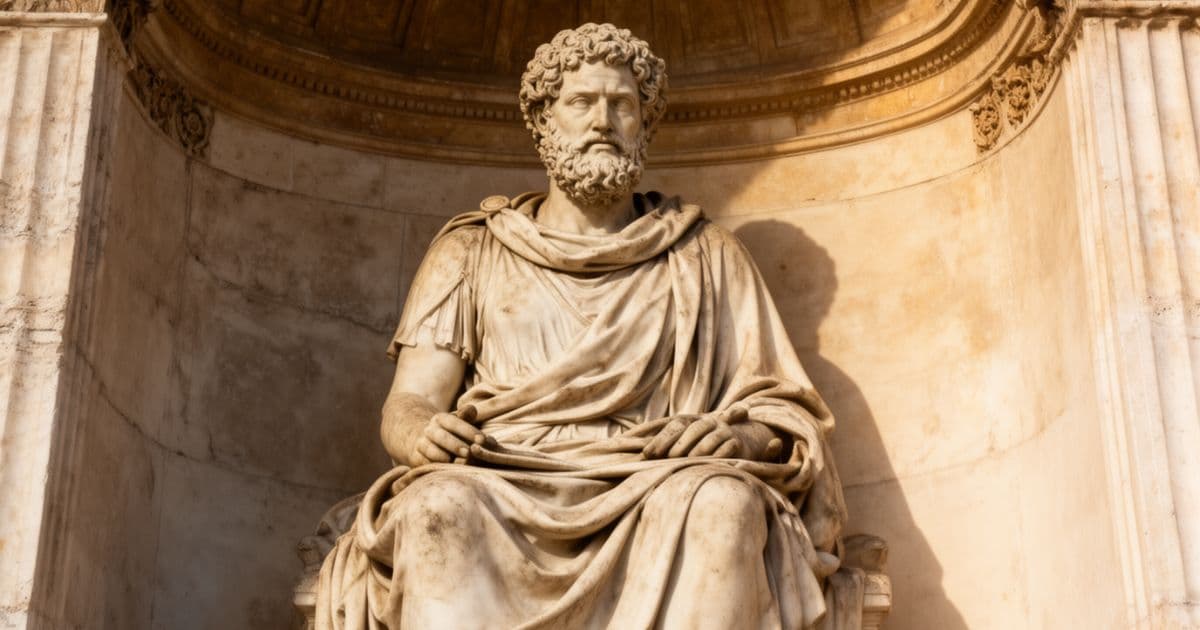
An excerpt from the original text.(complete · 255 words)
hatever rules you have adopted, abide by them as laws, and as if you
would be impious to transgress them; and do not regard what anyone says
of you, for this, after all, is no concern of yours. How long, then, will
you delay to demand of yourself the noblest improvements, and in no
instance to transgress the judgments of reason? You have received the
philosophic principles with which you ought to be conversant; and you
have been conversant with them. For what other master, then, do you wait
as an excuse for this delay in self-reformation? You are no longer a boy
but a grown man. If, therefore, you will be negligent and slothful, and
always add procrastination to procrastination, purpose to purpose, and
fix day after day in which you will attend to yourself, you will
insensibly continue to accomplish nothing and, living and dying, remain
of vulgar mind. This instant, then, think yourself worthy of living as a
man grown up and a proficient. Let whatever appears to be the best be to
you an inviolable law. And if any instance of pain or pleasure, glory or
disgrace, be set before you, remember that now is the combat, now the
Olympiad comes on, nor can it be put off; and that by one failure and
defeat honor may be lost or—won. Thus Socrates became perfect, improving
himself by everything, following reason alone. And though you are not yet
a Socrates, you ought, however, to live as one seeking to be a Socrates.
Master this chapter. Complete your experience
Purchase the complete book to access all chapters and support classic literature
As an Amazon Associate, we earn a small commission from qualifying purchases at no additional cost to you.
Available in paperback, hardcover, and e-book formats
Let's Analyse the Pattern
The deadly cycle of postponing personal growth while convincing ourselves that tomorrow will be different.
Why This Matters
Connect literature to life
This chapter teaches how to recognize when you're treating your principles like suggestions instead of laws, endlessly postponing necessary action.
Practice This Today
This week, notice when you catch yourself saying 'I'll start Monday' or 'after things settle down,' then immediately take one small action toward what you know you should do.
Now let's explore the literary elements.
Key Quotes & Analysis
"You are no longer a boy but a grown man."
Context: He's calling out the reader's tendency to delay self-improvement
This hits hard because it strips away the excuses we use to avoid responsibility. Epictetus is saying that adult life means taking ownership of your choices and growth.
In Today's Words:
Stop acting like you're still figuring things out—you know better, so do better.
"What other master, then, do you wait as an excuse for this delay in self-reformation?"
Context: Challenging the reader who keeps postponing personal growth
This exposes how we often wait for perfect conditions or more knowledge before making changes. Epictetus argues you already have what you need to start.
In Today's Words:
Who exactly are you waiting for to give you permission to get your life together?
"Remember that now is the combat, now the Olympiad comes on, nor can it be put off."
Context: Describing how every moment is a test of character
Life doesn't pause for you to get ready. Every choice you make right now is shaping who you become. There's no practice round—this is it.
In Today's Words:
This is your real life happening right now, not a rehearsal for when you're ready.
Thematic Threads
Personal Growth
In This Chapter
The urgent call to stop delaying and start living by your principles immediately
Development
Builds on earlier themes by demanding immediate action rather than just understanding
In Your Life:
Every time you say 'I'll start Monday' instead of starting today, you're choosing stagnation over growth.
Social Expectations
In This Chapter
Epictetus warns against caring what others think when you start changing
Development
Continues the theme of external vs. internal validation
In Your Life:
You might avoid making positive changes because you're worried about how others will react to the 'new you.'
Identity
In This Chapter
The challenge to live like someone who's seriously trying to become their best self
Development
Focuses on actively choosing your identity rather than passively accepting it
In Your Life:
You have to decide whether you're someone who makes excuses or someone who makes changes.
Class
In This Chapter
The Socrates example shows that greatness comes from consistent choices, not natural advantages
Development
Reinforces that personal development isn't about privilege or circumstances
In Your Life:
Your background doesn't determine your potential—your daily choices do.
You now have the context. Time to form your own thoughts.
Discussion Questions
- 1
According to Epictetus, what's the main problem with how people approach personal growth?
analysis • surface - 2
Why does Epictetus compare personal development to athletic competition rather than academic study?
analysis • medium - 3
Where do you see people in your life treating their values like suggestions instead of laws?
application • medium - 4
What would change in your daily routine if you stopped waiting for perfect conditions to live by your principles?
application • deep - 5
What does this chapter reveal about why smart people often live below their potential?
reflection • deep
Critical Thinking Exercise
The Tomorrow Audit
Make two lists: things you know you should do but keep postponing, and the excuses you use to justify waiting. For each postponed item, write down one tiny action you could take today—not tomorrow, today—that moves you toward that goal. The action should be so small it feels almost silly not to do it.
Consider:
- •Notice how your brain immediately starts generating reasons why even the tiny actions should wait
- •Pay attention to which postponed items feel most urgent when you write them down
- •Consider whether your excuses are actually protecting you from something you fear
Journaling Prompt
Write about a time when you kept promising yourself you'd make a change 'tomorrow' until months or years passed. What finally broke the cycle? If nothing has broken it yet, what would it take?
Coming Up Next...
Chapter 50: Three Levels of Learning
Epictetus shifts from personal transformation to the foundations of philosophical thinking itself, exploring why understanding the 'why' behind our principles is just as important as following them.