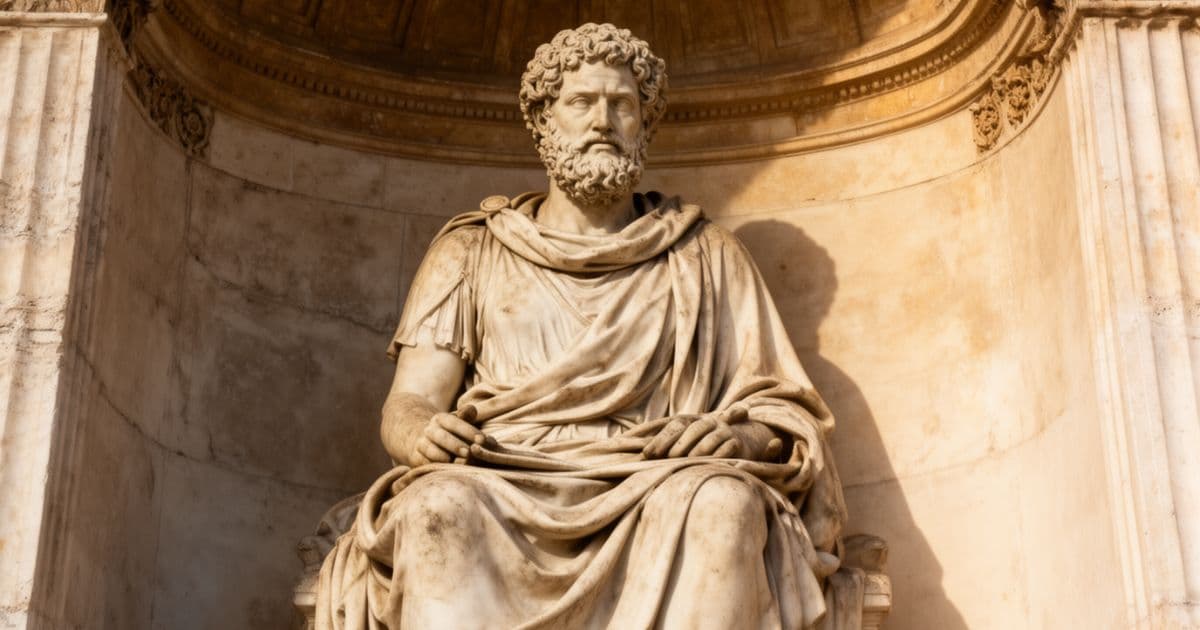
An excerpt from the original text.(complete · 32 words)
et death and exile, and all other things which appear terrible, be daily
before your eyes, but death chiefly; and you will never entertain an
abject thought, nor too eagerly covet anything.
Master this chapter. Complete your experience
Purchase the complete book to access all chapters and support classic literature
As an Amazon Associate, we earn a small commission from qualifying purchases at no additional cost to you.
Available in paperback, hardcover, and e-book formats
Let's Analyse the Pattern
Accepting life's temporary nature automatically filters out trivial concerns and sharpens focus on what truly matters.
Why This Matters
Connect literature to life
This chapter teaches how to use awareness of life's temporary nature as a decision-making filter that eliminates trivial concerns and clarifies priorities.
Practice This Today
This week, notice when you're stressed about something and ask: 'If I only had six months at this job, would this still matter?' Use that clarity to guide your choices.
Now let's explore the literary elements.
Key Quotes & Analysis
"Let death and exile, and all other things which appear terrible, be daily before your eyes, but death chiefly"
Context: Opening advice on how to live with proper perspective
This isn't about being morbid - it's about using mortality as a reality check. When you remember that time is limited, you stop wasting it on things that don't matter.
In Today's Words:
Remember every day that life doesn't last forever, and neither do the things you think are permanent.
"You will never entertain an abject thought, nor too eagerly covet anything"
Context: Explaining the benefits of keeping mortality in mind
Remembering death prevents both self-pity and desperate wanting. You can't feel sorry for yourself or obsess over material things when you understand life's bigger picture.
In Today's Words:
You won't get stuck feeling sorry for yourself or desperately chasing things that don't really matter.
Thematic Threads
Perspective
In This Chapter
Keeping death in mind creates mental clarity and better priorities
Development
Builds on earlier themes of focusing only on what you can control
In Your Life:
You might notice how health scares or job losses suddenly make relationship problems seem less important
Class
In This Chapter
Working people often can't afford the luxury of ignoring life's fragility
Development
Continues exploration of how economic reality shapes philosophical outlook
In Your Life:
You might recognize how financial insecurity actually teaches valuable lessons about what matters
Freedom
In This Chapter
Accepting limitations paradoxically creates more freedom in daily choices
Development
Expands on earlier ideas about finding freedom through acceptance rather than control
In Your Life:
You might find that accepting your job's limitations helps you make better decisions within those constraints
Time
In This Chapter
Limited time forces better decision-making and priority-setting
Development
Introduced here as a key factor in living wisely
In Your Life:
You might notice how deadline pressure at work actually helps you focus on essential tasks
Realism
In This Chapter
Facing hard truths about mortality leads to clearer thinking
Development
Builds on Stoic emphasis on seeing things as they really are
In Your Life:
You might recognize how denying problems at work or home only makes them worse
You now have the context. Time to form your own thoughts.
Discussion Questions
- 1
What does Epictetus mean when he says to keep 'terrible things' in your daily thoughts, and why isn't this just being negative?
analysis • surface - 2
Why does remembering death and loss actually help people make better choices instead of paralyzing them with fear?
analysis • medium - 3
Think about healthcare workers, parents with sick children, or people who've faced job loss - where do you see this pattern of crisis bringing clarity in real life?
application • medium - 4
If you knew this was your last year at your current job or in your current living situation, what would you stop worrying about and what would you finally address?
application • deep - 5
What does this chapter reveal about why humans often need reminders of mortality to live well, and what does that say about how our minds work?
reflection • deep
Critical Thinking Exercise
The Last Year Exercise
Imagine you knew with certainty that you had exactly one more year in your current life situation - same job, same relationships, same health, same responsibilities. Write down what you're currently worrying about or spending mental energy on. Then rewrite that list, crossing out what you'd stop caring about and highlighting what you'd finally take action on. Notice how this perspective shift changes your priorities.
Consider:
- •Don't focus on dramatic changes - look for small shifts in daily choices and energy allocation
- •Pay attention to which worries disappear completely versus which ones become more urgent
- •Consider what conversations you've been avoiding or what boundaries you've been afraid to set
Journaling Prompt
Write about a time when you gained sudden clarity about what mattered - maybe during illness, job loss, or another major life change. What did you stop caring about, and what became crystal clear as important? How can you access that clarity now without waiting for crisis?
Coming Up Next...
Chapter 22: Handling the Haters
But what happens when you start taking philosophy seriously and people around you think you've lost your mind? Epictetus prepares us for the social cost of thinking differently and how to handle the inevitable mockery.