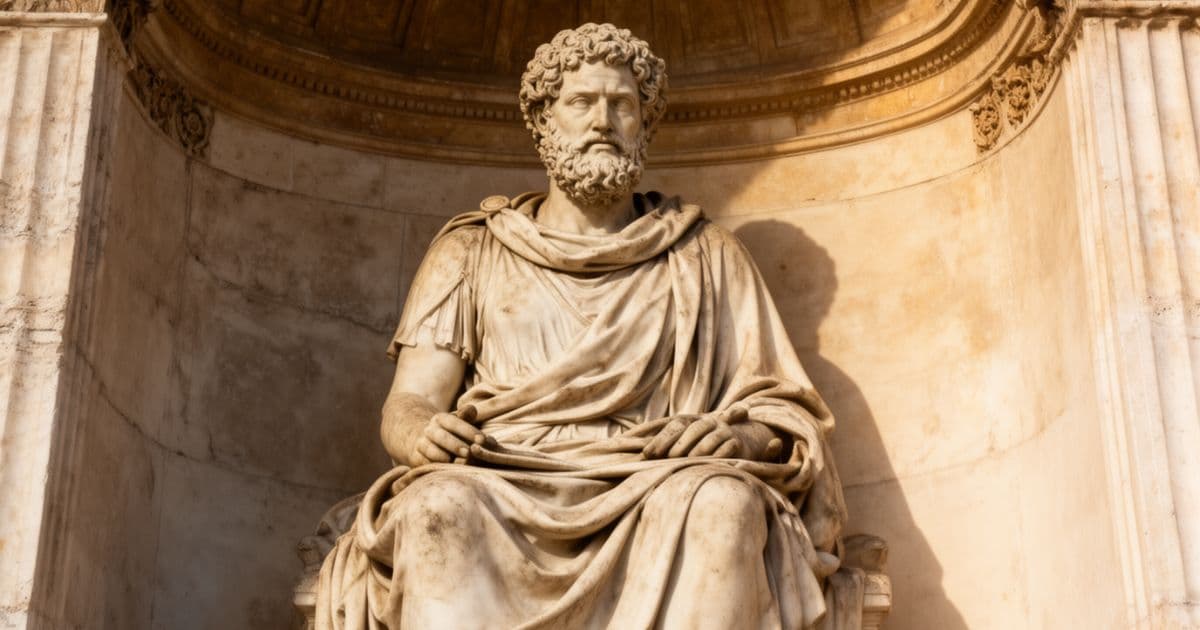
An excerpt from the original text.(complete · 50 words)
pon every accident, remember to turn toward yourself and inquire what
faculty you have for its use. If you encounter a handsome person, you
will find continence the faculty needed; if pain, then fortitude; if
reviling, then patience. And when thus habituated, the phenomena of
existence will not overwhelm you.
Master this chapter. Complete your experience
Purchase the complete book to access all chapters and support classic literature
As an Amazon Associate, we earn a small commission from qualifying purchases at no additional cost to you.
Available in paperback, hardcover, and e-book formats
Let's Analyse the Pattern
Those who mentally rehearse challenges and identify required skills navigate difficulties with intention rather than panic.
Why This Matters
Connect literature to life
This chapter teaches how to identify which emotional skill each challenging situation requires, preventing reactive responses that make problems worse.
Practice This Today
This week, when facing a difficult interaction, pause and ask yourself: 'What skill does this moment need from me—patience, courage, self-control, or something else?'
Now let's explore the literary elements.
Key Quotes & Analysis
"Upon every accident, remember to turn toward yourself and inquire what faculty you have for its use."
Context: Opening advice for how to handle unexpected situations
This is the core strategy of the chapter - instead of being overwhelmed by what happens to you, immediately ask yourself what skill you need to handle it. It's about taking control of your response even when you can't control the situation.
In Today's Words:
When something goes wrong, don't panic - ask yourself what you need to deal with this.
"If you encounter a handsome person, you will find continence the faculty needed; if pain, then fortitude; if reviling, then patience."
Context: Giving specific examples of matching skills to situations
He's showing that every challenge has a corresponding skill you can use. This isn't abstract philosophy - it's a practical matching system. Beauty requires self-control, pain requires courage, attacks require patience.
In Today's Words:
Attracted to someone? Use self-control. Hurting? Use courage. Someone attacking you? Use patience.
"And when thus habituated, the phenomena of existence will not overwhelm you."
Context: The promise of what happens when you practice this approach
This is his guarantee - if you practice matching skills to situations, life stops feeling overwhelming. You'll still face problems, but you won't be knocked off balance because you'll know what tool to reach for.
In Today's Words:
Practice this enough, and life's curveballs won't knock you down anymore.
Thematic Threads
Personal Growth
In This Chapter
Epictetus presents growth as skill-building rather than wishful thinking—developing specific emotional tools for specific challenges
Development
Evolved from earlier chapters about control to practical skill development
In Your Life:
You can train yourself to ask 'What skill does this situation require?' instead of just hoping things work out
Class
In This Chapter
Working people face predictable challenges that require specific emotional skills—dealing with authority, managing exhaustion, handling disrespect
Development
Builds on earlier themes about dignity and self-respect in difficult circumstances
In Your Life:
Your daily challenges at work or home follow patterns you can prepare for and navigate skillfully
Identity
In This Chapter
Identity becomes less about who you think you are and more about what skills you can deploy when life tests you
Development
Deepens earlier discussions about internal vs external validation
In Your Life:
Your sense of self can become more stable when it's based on developed skills rather than circumstances
Social Expectations
In This Chapter
Society expects people to react emotionally, but Epictetus teaches responding strategically with the right skill for each situation
Development
Introduced here as conscious choice rather than automatic reaction
In Your Life:
You can choose your response based on what the situation needs rather than what others expect
Human Relationships
In This Chapter
Relationships improve when you bring the right emotional skill to each interaction—patience, courage, or boundaries as needed
Development
Builds on earlier themes about not controlling others by focusing on skillful response
In Your Life:
Your relationships get better when you can identify what each situation calls for and respond accordingly
You now have the context. Time to form your own thoughts.
Discussion Questions
- 1
According to Epictetus, what should you do when facing a difficult situation instead of just reacting emotionally?
analysis • surface - 2
Why does Epictetus believe that identifying the required skill for each situation prevents us from being 'knocked flat' by life's challenges?
analysis • medium - 3
Think about your workplace or family life. What are three common difficult situations you face, and what emotional skills do they require?
application • medium - 4
How would your typical day change if you started each morning by mentally preparing for likely challenges and identifying the skills you'd need?
application • deep - 5
What does this chapter reveal about the difference between being reactive and being prepared in how we handle life's difficulties?
reflection • deep
Critical Thinking Exercise
Build Your Emotional Toolkit
Create a personal 'skill map' for your most common challenging situations. List 3-5 situations you regularly face that stress you out, then identify the specific emotional skill each one requires. For example: 'Dealing with my mother's criticism requires patience and boundary-setting' or 'Handling understaffing at work requires calm problem-solving and communication.' Think of this as building your emotional emergency kit.
Consider:
- •Focus on situations that happen repeatedly, not one-time crises
- •Be specific about the skill needed - 'staying calm' is too vague, but 'maintaining boundaries while showing empathy' is actionable
- •Consider both work and personal life situations
Journaling Prompt
Write about a recent time when you were caught off-guard by a difficult situation. How might the outcome have been different if you had mentally prepared and identified the required skill beforehand?
Coming Up Next...
Chapter 11: Nothing Is Really Yours
Next, Epictetus challenges our deepest assumptions about loss and ownership. He's about to reframe death, divorce, and financial ruin in a way that might completely change how you think about what's 'yours' to begin with.