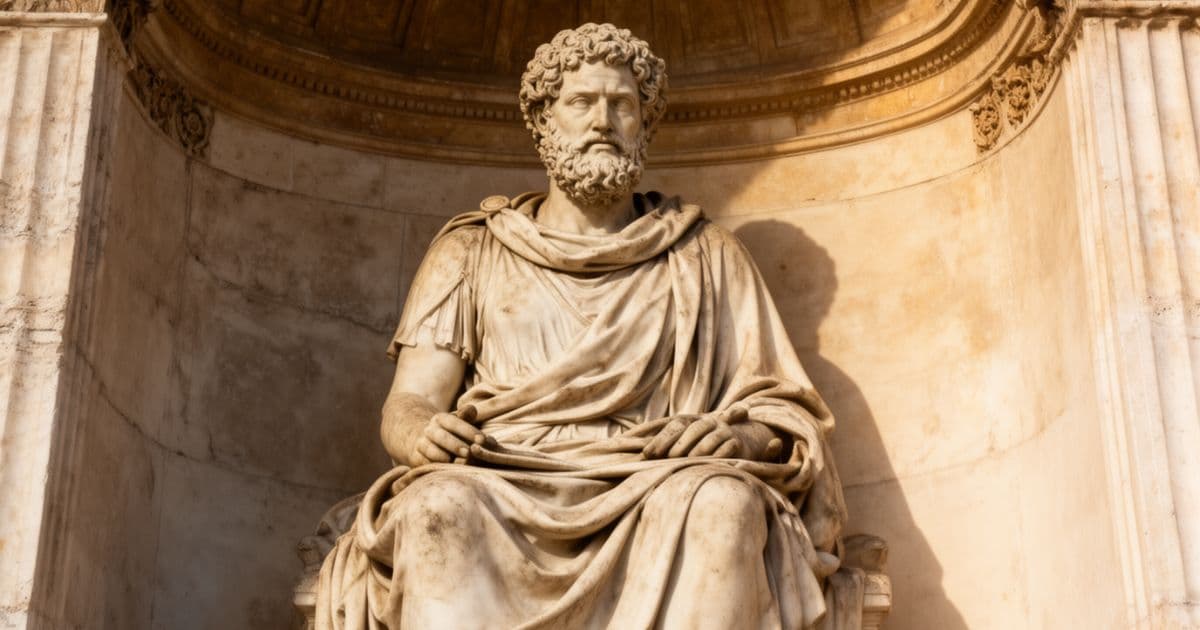
An excerpt from the original text.(complete · 398 words)
21:001:001 he words of the Preacher, the son of David, king in
Jerusalem.
21:001:002 Vanity of vanities, saith the Preacher, vanity of vanities;
all is vanity.
21:001:003 What profit hath a man of all his labour which he taketh under
the sun?
21:001:004 One generation passeth away, and another generation cometh:
but the earth abideth for ever.
21:001:005 The sun also ariseth, and the sun goeth down, and hasteth to
his place where he arose.
21:001:006 The wind goeth toward the south, and turneth about unto the
north; it whirleth about continually, and the wind returneth
again according to his circuits.
21:001:007 All the rivers run into the sea; yet the sea is not full; unto
the place from whence the rivers come, thither they return
again.
21:001:008 All things are full of labour; man cannot utter it: the eye is
not satisfied with seeing, nor the ear filled with hearing.
21:001:009 The thing that hath been, it is that which shall be; and that
which is done is that which shall be done: and there is no new
thing under the sun.
21:001:010 Is there any thing whereof it may be said, See, this is new?
it hath been already of old time, which was before us.
21:001:011 There is no remembrance of former things; neither shall there
be any remembrance of things that are to come with those that
shall come after.
21:001:012 I the Preacher was king over Israel in Jerusalem.
21:001:013 And I gave my heart to seek and search out by wisdom
concerning all things that are done under heaven: this sore
travail hath God given to the sons of man to be exercised
therewith.
21:001:014 I have seen all the works that are done under the sun; and,
behold, all is vanity and vexation of spirit.
21:001:015 That which is crooked cannot be made straight: and that which
is wanting cannot be numbered.
21:001:016 I communed with mine own heart, saying, Lo, I am come to great
estate, and have gotten more wisdom than all they that have
been before me in Jerusalem: yea, my heart had great
experience of wisdom and knowledge.
21:001:017 And I gave my heart to know wisdom, and to know madness and
folly: I perceived that this also is vexation of spirit.
21:001:018 For in much wisdom is much grief: and he that increaseth
knowledge increaseth sorrow.
Master this chapter. Complete your experience
Purchase the complete book to access all chapters and support classic literature
As an Amazon Associate, we earn a small commission from qualifying purchases at no additional cost to you.
Available in paperback, hardcover, and e-book formats
Let's Analyse the Pattern
The more we accomplish or understand, the less satisfaction we derive and the more problems we become aware of.
Why This Matters
Connect literature to life
This chapter teaches how to identify when we're chasing external markers of success that won't deliver the internal satisfaction we seek.
Practice This Today
This week, notice when you catch yourself thinking 'I'll be happy when I get that promotion/raise/degree' and ask what you're actually seeking beneath the achievement.
Now let's explore the literary elements.
Key Quotes & Analysis
"Vanity of vanities, saith the Preacher, vanity of vanities; all is vanity."
Context: His opening statement and main thesis for the entire book
This is one of literature's most famous expressions of existential despair. By repeating 'vanity' five times, he's emphasizing the completeness of life's meaninglessness from his perspective. It's not that some things are pointless - everything is.
In Today's Words:
It's all meaningless - absolutely everything we do is pointless.
"What profit hath a man of all his labour which he taketh under the sun?"
Context: His fundamental question about whether human effort has any lasting value
He's asking the question that haunts every worker: what's the point of all this effort? This isn't about daily frustrations but about whether human labor has any ultimate significance. It sets up his exploration of life's meaning.
In Today's Words:
What do you really get out of all the work you do in this life?
"One generation passeth away, and another generation cometh: but the earth abideth for ever."
Context: Observing the temporary nature of human life compared to the permanence of nature
This captures the humbling realization that we're just temporary visitors on a planet that will outlast us all. Individual lives feel significant to us, but from a cosmic perspective, we're brief blips in an ongoing cycle.
In Today's Words:
People die, new people are born, but the world just keeps on going without us.
"The thing that hath been, it is that which shall be; and that which is done is that which shall be done: and there is no new thing under the sun."
Context: Explaining his view that human history repeats in endless cycles
This reflects his belief that human nature and circumstances don't really change - we just think they do because our perspective is limited. What feels revolutionary to us has probably happened before in some form.
In Today's Words:
Everything that happens has happened before - there's really nothing new in this world.
Thematic Threads
Class
In This Chapter
The Preacher speaks from a position of ultimate privilege—a king who has access to all knowledge and resources yet finds them meaningless
Development
Introduced here
In Your Life:
You might feel frustrated that people with more resources complain about problems you'd love to have
Identity
In This Chapter
The Preacher defines himself through his achievements and wisdom, but these accomplishments fail to provide lasting identity or purpose
Development
Introduced here
In Your Life:
You might struggle with who you are when your job title or accomplishments don't feel like enough
Social Expectations
In This Chapter
Society expects that gaining wisdom and achieving success should bring happiness, but the Preacher discovers this promise is false
Development
Introduced here
In Your Life:
You might feel guilty for not being happier after reaching goals others told you would fulfill you
Personal Growth
In This Chapter
The pursuit of wisdom and knowledge leads to greater awareness but also greater sorrow as problems become visible
Development
Introduced here
In Your Life:
You might find that learning more about your workplace or relationships sometimes makes you less happy, not more
You now have the context. Time to form your own thoughts.
Discussion Questions
- 1
The Preacher says he gained more wisdom than anyone before him, but it made him more miserable. What specific examples does he give of this pattern?
analysis • surface - 2
Why does the Preacher compare human efforts to 'chasing after wind'? What does this metaphor reveal about his view of achievement?
analysis • medium - 3
Think about a time when you got something you really wanted (a job, promotion, relationship, purchase). How did the reality compare to your expectations? Where do you see the Preacher's pattern in your own life?
application • medium - 4
The Preacher observes that 'with much wisdom comes much sorrow.' If knowledge can make us unhappy, how should we approach learning and growth?
application • deep - 5
The Preacher sees cycles everywhere - generations, seasons, water. What does this teach us about expecting permanent solutions to human problems?
reflection • deep
Critical Thinking Exercise
Map Your Achievement Trap
Draw a timeline of three major goals you've achieved in the past five years. For each achievement, write down what you expected it would give you versus what actually happened afterward. Look for the pattern the Preacher describes: did success reveal new problems or leave you feeling empty?
Consider:
- •Notice if each achievement just moved the goalposts further away
- •Identify what you were really seeking beneath the surface goal
- •Consider whether the pursuit itself gave you more satisfaction than the achievement
Journaling Prompt
Write about a current goal you're chasing. Based on your pattern analysis, what are you really hoping this achievement will give you? How might you find that fulfillment in your daily process instead of waiting for the end result?
Coming Up Next...
Chapter 2: The Pleasure Experiment That Failed
Having concluded that wisdom brings sorrow, the Preacher decides to try the opposite approach - pursuing pleasure and enjoyment. But will hedonism provide the meaning and satisfaction that knowledge couldn't?