Amplified ClassicsAmplified Classics
Literature MattersLife IndexEducators
Sign inSign up
The Dhammapada - The Art of Self-Discipline

Buddha

The Dhammapada

The Art of Self-Discipline

Home›Books›The Dhammapada›Chapter 25
Back to The Dhammapada
4 min read•The Dhammapada•Chapter 25 of 26

What You'll Learn

How to practice restraint without becoming rigid or joyless

Why contentment with what you have leads to genuine peace

The power of self-examination as a daily practice

Previous
25 of 26
Next

Summary

This chapter presents a blueprint for living with discipline that actually brings freedom. Buddha describes the bhikshu (monk) as someone who has mastered self-control—not through harsh denial, but through wise restraint. The key insight is that real discipline starts with the small things: what you look at, what you listen to, what you say, and how you think about your circumstances. The chapter emphasizes that true contentment comes from appreciating what you already have rather than constantly wanting more. A person who doesn't despise their modest circumstances while avoiding envy of others finds a peace that even material abundance can't provide. Buddha introduces the powerful metaphor of 'emptying the boat'—letting go of the mental and emotional baggage that weighs us down. This isn't about becoming emotionless, but about releasing the grip of destructive patterns like hatred and uncontrolled desire. The chapter stresses that self-discipline and self-awareness work together—you can't have deep insight without the focus that comes from restraint, and you can't maintain healthy boundaries without understanding yourself clearly. Most importantly, this isn't about perfection but about consistent, gentle self-correction. Like a skilled merchant training a good horse, we guide ourselves with firmness but not brutality. The ultimate message is that happiness comes from inner work, not external circumstances, and that even small steps toward self-mastery can transform your entire experience of life.

Coming Up in Chapter 26

The final chapter explores the ultimate goal of this inner work—becoming someone who has transcended ordinary limitations and found true spiritual freedom. Buddha describes what it means to reach the highest level of human development.

Share it with friends

Previous ChapterNext Chapter
GO ADS FREE — JOIN US

An excerpt from the original text.(~500 words)

T

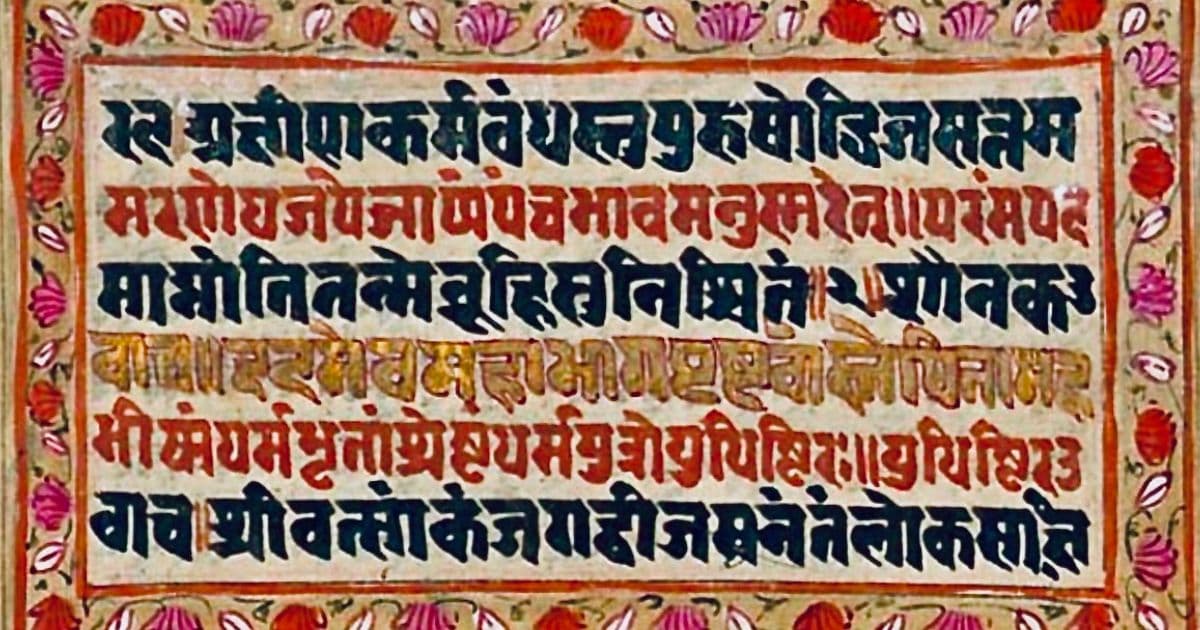
he Bhikshu (Mendicant) 360. Restraint in the eye is good, good is restraint in the ear, in the nose restraint is good, good is restraint in the tongue. 361. In the body restraint is good, good is restraint in speech, in thought restraint is good, good is restraint in all things. A Bhikshu, restrained in all things, is freed from all pain. 362. He who controls his hand, he who controls his feet, he who controls his speech, he who is well controlled, he who delights inwardly, who is collected, who is solitary and content, him they call Bhikshu. 363. The Bhikshu who controls his mouth, who speaks wisely and calmly, who teaches the meaning and the law, his word is sweet. 364. He who dwells in the law, delights in the law, meditates on the law, follows the law, that Bhikshu will never fall away from the true law. 365. Let him not despise what he has received, nor ever envy others: a mendicant who envies others does not obtain peace of mind. 366. A Bhikshu who, though he receives little, does not despise what he has received, even the gods will praise him, if his life is pure, and if he is not slothful. 367. He who never identifies himself with name and form, and does not grieve over what is no more, he indeed is called a Bhikshu. 368. The Bhikshu who acts with kindness, who is calm in the doctrine of Buddha, will reach the quiet place (Nirvana), cessation of natural desires, and happiness. 369. O Bhikshu, empty this boat! if emptied, it will go quickly; having cut off passion and hatred thou wilt go to Nirvana. 370. Cut off the five (senses), leave the five, rise above the five. A Bhikshu, who has escaped from the five fetters, he is called Oghatinna, `saved from the flood.' 371. Meditate, O Bhikshu, and be not heedless! Do not direct thy thought to what gives pleasure that thou mayest not for thy heedlessness have to swallow the iron ball (in hell), and that thou mayest not cry out when burning, `This is pain.' 372. Without knowledge there is no meditation, without meditation there is no knowledge: he who has knowledge and meditation is near unto Nirvana. 373. A Bhikshu who has entered his empty house, and whose mind is tranquil, feels a more than human delight when he sees the law clearly. 374. As soon as he has considered the origin and destruction of the elements (khandha) of the body, he finds happiness and joy which belong to those who know the immortal (Nirvana). 375. And this is the beginning here for a wise Bhikshu: watchfulness over the senses, contentedness, restraint under the law; keep noble friends whose life is pure, and who are not slothful. 376. Let him live in charity, let him be perfect in his duties; then in the fulness of delight he will make an end of suffering. 377. As the Vassika plant sheds...

Master this chapter. Complete your experience

Purchase the complete book to access all chapters and support classic literature

Read Free on GutenbergBuy at Powell'sBuy on Amazon

As an Amazon Associate, we earn a small commission from qualifying purchases at no additional cost to you.

Available in paperback, hardcover, and e-book formats

GO ADS FREE — JOIN US

Intelligence Amplifier™ Analysis

Pattern: The Small Discipline Paradox

The Road of Small Disciplines - How Tiny Controls Create True Freedom

This chapter reveals a counterintuitive pattern: real freedom comes through self-imposed boundaries, not through doing whatever you want. Buddha shows us that discipline isn't punishment—it's the foundation that makes everything else possible. The mechanism works like compound interest in reverse. Every small choice to control what you look at, listen to, or think about builds your capacity for bigger decisions. When you practice restraint with your attention (not doom-scrolling at 2 AM), your words (not venting every frustration), and your desires (appreciating what you have instead of constantly wanting more), you're actually training your brain's executive function. The person who can't say no to small temptations will be helpless against big ones. This pattern shows up everywhere in modern life. At work, the colleague who can't resist checking their phone every five minutes struggles with major projects. In healthcare, the nurse who maintains professional boundaries with difficult patients has energy left for the ones who truly need extra care. In relationships, the person who practices small acts of consideration—putting away their phone during dinner, really listening instead of planning their response—builds trust that survives major conflicts. In finances, those who master small daily spending choices rarely face major money crises. When you recognize someone (including yourself) struggling with big life problems, look for where small disciplines are missing. Start there. Don't try to overhaul your entire life—pick one tiny area of restraint and practice it consistently. Maybe it's not complaining for the first hour of your shift, or putting your phone in another room while you eat. These small victories create the mental muscle memory for bigger challenges. The goal isn't to become a robot, but to become someone who chooses their responses instead of just reacting to whatever happens. When you can name this pattern—that freedom comes through chosen boundaries—predict where lack of small disciplines leads to big chaos, and navigate it by starting with tiny consistent choices, that's amplified intelligence.

True freedom and peace come through self-imposed boundaries and restraint, not through unlimited indulgence.

Why This Matters

Connect literature to life

Skill: Building Mental Resilience Through Small Choices

This chapter teaches how tiny daily decisions about what you focus on and how you respond create the foundation for handling bigger challenges.

Practice This Today

This week, notice one small area where you react automatically—maybe checking your phone, complaining, or getting pulled into workplace drama—and practice choosing your response instead.

GO ADS FREE — JOIN US

Now let's explore the literary elements.

Terms to Know

Bhikshu

A Buddhist monk who has renounced worldly possessions to focus on spiritual development. In this chapter, Buddha uses the bhikshu as a model for anyone seeking inner peace through self-discipline.

Modern Usage:

We see this in anyone who deliberately simplifies their life to focus on what really matters - minimalists, people who quit social media, or those who choose less demanding careers for better work-life balance.

Restraint of the senses

The practice of controlling what you expose yourself to through sight, hearing, taste, touch, and smell. Buddha teaches that being selective about sensory input leads to mental clarity and peace.

Modern Usage:

This shows up today as digital detoxes, choosing not to scroll through negative news, or avoiding gossip and drama at work.

The Law (Dharma)

The teachings and principles that guide right living. In Buddhist context, it refers to the path toward enlightenment, but Buddha presents it as universal wisdom about how life works.

Modern Usage:

We see this in any consistent set of principles people live by - whether it's AA's twelve steps, a family's core values, or personal boundaries that keep someone healthy.

Name and form

Buddhist concept referring to our attachment to identity and physical appearance. Buddha teaches that clinging to these temporary things causes suffering.

Modern Usage:

This appears today as our obsession with social media personas, job titles, designer labels, or any external marker we think defines who we are.

Emptying the boat

A metaphor for letting go of mental and emotional baggage that weighs you down. Buddha suggests that releasing grudges, fears, and excessive desires makes life's journey easier.

Modern Usage:

We use this concept in therapy, self-help, and recovery programs - the idea that you have to 'let go' of past hurts and resentments to move forward.

Contentment with little

The ability to find satisfaction and peace with modest circumstances rather than constantly wanting more. Buddha presents this as a key to happiness.

Modern Usage:

This shows up in movements like 'gratitude practice,' tiny house living, or anyone who's learned that more stuff doesn't equal more happiness.

Characters in This Chapter

The Bhikshu

Model practitioner

Buddha describes the ideal bhikshu as someone who has mastered self-control in small daily actions. This character demonstrates how discipline in ordinary things leads to extraordinary peace.

Modern Equivalent:

The person who's got their life together - calm under pressure, doesn't gossip, manages money well

The envious mendicant

Cautionary example

Buddha warns against the monk who looks at what others have with jealousy. This character shows how comparison destroys inner peace even when you're on the right path.

Modern Equivalent:

The coworker who's always complaining about others getting promoted or having it easier

The wise teacher

Spiritual guide

Buddha describes the bhikshu who speaks calmly and teaches both meaning and practical application. This character embodies how wisdom should be shared.

Modern Equivalent:

The mentor who gives advice without being preachy - shows you how to do better without making you feel stupid

Key Quotes & Analysis

"A Bhikshu, restrained in all things, is freed from all pain."

— Buddha

Context: Buddha explains how self-control in daily actions leads to freedom

This reveals the counterintuitive truth that discipline actually creates freedom rather than restriction. Buddha shows that pain often comes from our own uncontrolled reactions and impulses.

In Today's Words:

When you learn to control your reactions and choices, you stop creating your own problems.

"Let him not despise what he has received, nor ever envy others: a mendicant who envies others does not obtain peace of mind."

— Buddha

Context: Buddha warns against comparison and ingratitude even among spiritual seekers

This highlights how comparison is a universal human trap that destroys contentment regardless of your circumstances or spiritual progress. Buddha emphasizes gratitude as protection against envy.

In Today's Words:

Don't trash what you have while wanting what others have - that's a guaranteed way to stay miserable.

"He who never identifies himself with name and form, and does not grieve over what is no more, he indeed is called a Bhikshu."

— Buddha

Context: Buddha describes someone who doesn't cling to identity or mourn what's already gone

This shows that true spiritual maturity means not defining yourself by external labels or getting stuck in the past. Buddha presents this as practical wisdom for moving through life's changes.

In Today's Words:

Don't get hung up on titles and appearances, and don't waste energy mourning what's already over.

Thematic Threads

Self-Control

In This Chapter

Buddha presents discipline as the foundation for all other virtues and peace

Development

Introduced here as core life skill

In Your Life:

You might notice this when small bad habits start affecting bigger areas of your life

Contentment

In This Chapter

True satisfaction comes from appreciating what you have rather than constantly wanting more

Development

Introduced here as alternative to endless desire

In Your Life:

You might see this in how social media makes you feel dissatisfied with your own life

Personal Growth

In This Chapter

Growth happens through consistent small choices rather than dramatic changes

Development

Builds on earlier themes of gradual transformation

In Your Life:

You might recognize this when trying to change a habit and getting frustrated with slow progress

Inner Work

In This Chapter

Happiness comes from internal discipline rather than external circumstances

Development

Deepens the theme that external conditions don't determine inner peace

In Your Life:

You might notice this when a promotion or purchase doesn't make you as happy as expected

Mental Clarity

In This Chapter

Self-discipline and self-awareness work together to create clear thinking

Development

Introduced here as interconnected skills

In Your Life:

You might see this when stress makes it harder to make good decisions

You now have the context. Time to form your own thoughts.

Discussion Questions

  1. 1

    According to Buddha, what's the difference between harsh denial and wise restraint when it comes to self-discipline?

    analysis • surface
  2. 2

    Why does Buddha suggest that controlling small things like what you look at and listen to leads to bigger freedoms?

    analysis • medium
  3. 3

    Where do you see people in your life who have found contentment by appreciating what they have rather than constantly wanting more?

    application • medium
  4. 4

    If you had to choose one small area of restraint to practice consistently, what would create the biggest positive ripple effect in your life?

    application • deep
  5. 5

    What does this chapter reveal about why some people seem naturally calm under pressure while others fall apart over small setbacks?

    reflection • deep

Critical Thinking Exercise

10 minutes

Track Your Small Disciplines

For the next three days, notice one small area where you either practice restraint or give in to impulses. Pick something specific like checking your phone during conversations, complaining about your commute, or eating while distracted. Don't try to change anything yet - just observe the pattern and how it affects your mood and energy throughout the day.

Consider:

  • •Notice what triggers the impulse - is it boredom, stress, habit, or something else?
  • •Pay attention to how you feel immediately after giving in versus practicing restraint
  • •Look for connections between small choices and bigger patterns in your life

Journaling Prompt

Write about a time when practicing small self-discipline in one area unexpectedly helped you handle a bigger challenge. What did you learn about the connection between small choices and larger capabilities?

Coming Up Next...

Chapter 26: The Awakened Person

The final chapter explores the ultimate goal of this inner work—becoming someone who has transcended ordinary limitations and found true spiritual freedom. Buddha describes what it means to reach the highest level of human development.

Continue to Chapter 26
Previous
Breaking Free from Endless Want
Contents
Next
The Awakened Person

Continue Exploring

The Dhammapada Study GuideTeaching ResourcesEssential Life IndexBrowse by ThemeAll Books

You Might Also Like

Meditations cover

Meditations

Marcus Aurelius

Explores personal growth

The Book of Job cover

The Book of Job

Anonymous

Explores suffering & resilience

Letters from a Stoic cover

Letters from a Stoic

Seneca

Explores suffering & resilience

The Bhagavad Gita cover

The Bhagavad Gita

Vyasa

Explores suffering & resilience

Browse all 47+ books

Share This Chapter

Know someone who'd enjoy this? Spread the wisdom!

TwitterFacebookLinkedInEmail

Read ad-free with Prestige

Get rid of ads, unlock study guides and downloads, and support free access for everyone.

Subscribe to PrestigeCreate free account
Intelligence Amplifier
Intelligence Amplifier™Powering Amplified Classics

Exploring human-AI collaboration through books, essays, and philosophical dialogues. Classic literature transformed into navigational maps for modern life.

2025 Books

→ The Amplified Human Spirit→ The Alarming Rise of Stupidity Amplified→ San Francisco: The AI Capital of the World
Visit intelligenceamplifier.org
hello@amplifiedclassics.com

AC Originals

→ The Last Chapter First→ You Are Not Lost→ The Lit of Love→ The Wealth Paradox
Arvintech
arvintechAmplify your Mind
Visit at arvintech.com

Navigate

  • Home
  • Library
  • Essential Life Index
  • How It Works
  • Subscribe
  • Account
  • About
  • Contact
  • Authors
  • Suggest a Book

Made For You

  • Students
  • Educators
  • Families
  • Readers
  • Finding Purpose

Newsletter

Weekly insights from the classics.

Amplify Your Mind

Legal

  • Privacy Policy
  • Terms of Service
  • Cookie Policy
  • Accessibility

Why Public Domain?

We focus on public domain classics because these timeless works belong to everyone. No paywalls, no restrictions—just wisdom that has stood the test of centuries, freely accessible to all readers.

Public domain books have shaped humanity's understanding of love, justice, ambition, and the human condition. By amplifying these works, we help preserve and share literature that truly belongs to the world.

© 2025 Amplified Classics™. All Rights Reserved.

Intelligence Amplifier™ and Amplified Classics™ are proprietary trademarks of Arvin Lioanag.

Copyright Protection: All original content, analyses, discussion questions, pedagogical frameworks, and methodology are protected by U.S. and international copyright law. Unauthorized reproduction, distribution, web scraping, or use for AI training is strictly prohibited. See our Copyright Notice for details.

Disclaimer: The information provided on this website is for general informational and educational purposes only and does not constitute professional, legal, financial, or technical advice. While we strive to ensure accuracy and relevance, we make no warranties regarding completeness, reliability, or suitability. Any reliance on such information is at your own risk. We are not liable for any losses or damages arising from use of this site. By using this site, you agree to these terms.