
An excerpt from the original text.(complete · 1345 words)
alancy toiled not, neither did she spin. There was really very little
work to do. She cooked their meals on a coal-oil stove, performing all
her little domestic rites carefully and exultingly, and they ate out on
the verandah that almost overhung the lake. Before them lay Mistawis,
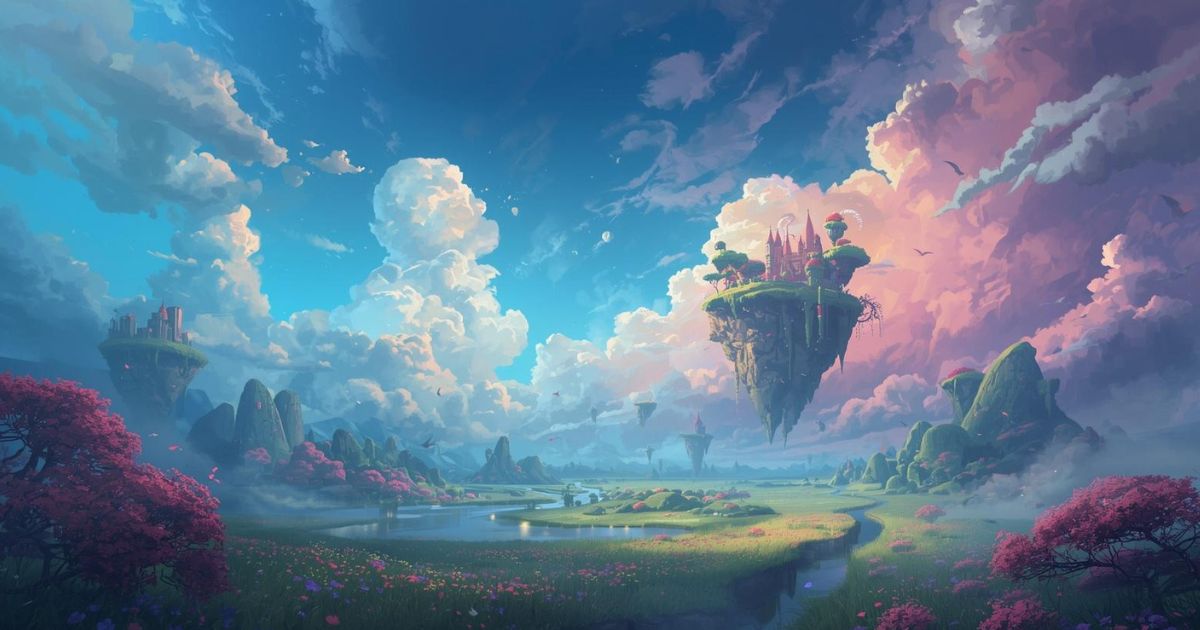
like a scene out of some fairy tale of old time. And Barney smiling his
twisted, enigmatical smile at her across the table.
“What a view old Tom picked out when he built this shack!” Barney would
say exultantly.
Supper was the meal Valancy liked best. The faint laughter of winds was
always about them and the colours of Mistawis, imperial and spiritual,
under the changing clouds were something that cannot be expressed in
mere words. Shadows, too. Clustering in the pines until a wind shook
them out and pursued them over Mistawis. They lay all day along the
shores, threaded by ferns and wild blossoms. They stole around the
headlands in the glow of the sunset, until twilight wove them all into
one great web of dusk.
The cats, with their wise, innocent little faces, would sit on the
verandah railing and eat the tidbits Barney flung them. And how good
everything tasted! Valancy, amid all the romance of Mistawis, never
forgot that men had stomachs. Barney paid her no end of compliments on
her cooking.
“After all,” he admitted, “there’s something to be said for square
meals. I’ve mostly got along by boiling two or three dozen eggs hard at
once and eating a few when I got hungry, with a slice of bacon once in
a while and a jorum of tea.”
Valancy poured tea out of Barney’s little battered old pewter teapot of
incredible age. She had not even a set of dishes—only Barney’s
mismatched chipped bits—and a dear, big, pobby old jug of robin’s-egg
blue.
After the meal was over they would sit there and talk for hours—or sit
and say nothing, in all the languages of the world, Barney pulling away
at his pipe, Valancy dreaming idly and deliciously, gazing at the
far-off hills beyond Mistawis where the spires of firs came out against
the sunset. The moonlight would begin to silver the Mistawis dusk. Bats
would begin to swoop darkly against the pale, western gold. The little
waterfall that came down on the high bank not far away would, by some
whim of the wildwood gods, begin to look like a wonderful white woman
beckoning through the spicy, fragrant evergreens. And Leander would
begin to chuckle diabolically on the mainland shore. How sweet it was
to sit there and do nothing in the beautiful silence, with Barney at
the other side of the table, smoking!
There were plenty of other islands in sight, though none were near
enough to be troublesome as neighbours. There was one little group of
islets far off to the west which they called the Fortunate Isles. At
sunrise they looked like a cluster of emeralds, at sunset like a
cluster of amethysts. They were too small for houses; but the lights on
the larger islands would bloom out all over the lake, and bonfires
would be lighted on their shores, streaming up into the wood shadows
and throwing great, blood-red ribbons over the waters. Music would
drift to them alluringly from boats here and there, or from the
verandahs on the big house of the millionaire on the biggest island.
“Would you like a house like that, Moonlight?” Barney asked once,
waving his hand at it. He had taken to calling her Moonlight, and
Valancy loved it.
“No,” said Valancy, who had once dreamed of a mountain castle ten times
the size of the rich man’s “cottage” and now pitied the poor
inhabitants of palaces. “No. It’s too elegant. I would have to carry it
with me everywhere I went. On my back like a snail. It would own
me—possess me, body and soul. I like a house I can love and cuddle and
boss. Just like ours here. I don’t envy Hamilton Gossard ‘the finest
summer residence in Canada.’ It is magnificent, but it isn’t my Blue
Castle.”
Away down at the far end of the lake they got every night a glimpse of
a big, continental train rushing through a clearing. Valancy liked to
watch its lighted windows flash by and wonder who was on it and what
hopes and fears it carried. She also amused herself by picturing Barney
and herself going to the dances and dinners in the houses on the
islands, but she did not want to go in reality. Once they did go to a
masquerade dance in the pavilion at one of the hotels up the lake, and
had a glorious evening, but slipped away in their canoe, before
unmasking time, back to the Blue Castle.
“It was lovely—but I don’t want to go again,” said Valancy.
So many hours a day Barney shut himself up in Bluebeard’s Chamber.
Valancy never saw the inside of it. From the smells that filtered
through at times she concluded he must be conducting chemical
experiments—or counterfeiting money. Valancy supposed there must be
smelly processes in making counterfeit money. But she did not trouble
herself about it. She had no desire to peer into the locked chambers of
Barney’s house of life. His past and his future concerned her not. Only
this rapturous present. Nothing else mattered.
Once he went away and stayed away two days and nights. He had asked
Valancy if she would be afraid to stay alone and she had said she would
not. He never told her where he had been. She was not afraid to be
alone, but she was horribly lonely. The sweetest sound she had ever
heard was Lady Jane’s clatter through the woods when Barney returned.
And then his signal whistle from the shore. She ran down to the landing
rock to greet him—to nestle herself into his eager arms—they did seem
eager.
“Have you missed me, Moonlight?” Barney was whispering.
“It seems a hundred years since you went away,” said Valancy.
“I won’t leave you again.”
“You must,” protested Valancy, “if you want to. I’d be miserable if I
thought you wanted to go and didn’t, because of me. I want you to feel
perfectly free.”
Barney laughed—a little cynically.
“There is no such thing as freedom on earth,” he said. “Only different
kinds of bondages. And comparative bondages. You think you are free
now because you’ve escaped from a peculiarly unbearable kind of
bondage. But are you? You love me—that’s a bondage.”
“Who said or wrote that ‘the prison unto which we doom ourselves no
prison is’?” asked Valancy dreamily, clinging to his arm as they
climbed up the rock steps.
“Ah, now you have it,” said Barney. “That’s all the freedom we can hope
for—the freedom to choose our prison. But, Moonlight,”—he stopped at
the door of the Blue Castle and looked about him—at the glorious lake,
the great, shadowy woods, the bonfires, the twinkling
lights—“Moonlight, I’m glad to be home again. When I came down through
the woods and saw my home lights—mine—gleaming out under the old
pines—something I’d never seen before—oh, girl, I was glad—glad!”
But in spite of Barney’s doctrine of bondage, Valancy thought they were
splendidly free. It was amazing to be able to sit up half the night and
look at the moon if you wanted to. To be late for meals if you wanted
to—she who had always been rebuked so sharply by her mother and so
reproachfully by Cousin Stickles if she were one minute late. Dawdle
over meals as long as you wanted to. Leave your crusts if you wanted
to. Not come home at all for meals if you wanted to. Sit on a sun-warm
rock and paddle your bare feet in the hot sand if you wanted to. Just
sit and do nothing in the beautiful silence if you wanted to. In short,
do any fool thing you wanted to whenever the notion took you. If that
wasn’t freedom, what was?
Master this chapter. Complete your experience
Purchase the complete book to access all chapters and support classic literature
As an Amazon Associate, we earn a small commission from qualifying purchases at no additional cost to you.
Available in paperback, hardcover, and e-book formats
Let's Analyse the Pattern
True freedom comes from consciously selecting meaningful limitations rather than pursuing unlimited options that ultimately constrain you.
Why This Matters
Connect literature to life
This chapter teaches how to recognize when you're choosing something because it looks good versus because it feels right.
Practice This Today
This week, notice when you feel energized versus drained by your commitments—the energizing ones usually serve your authentic self, the draining ones often serve external expectations.
Now let's explore the literary elements.
Key Quotes & Analysis
"Valancy toiled not, neither did she spin"
Context: Opening description of Valancy's new leisurely lifestyle
This biblical reference to lilies of the field suggests Valancy has found a life of natural ease and beauty. She's no longer trapped in anxious productivity but can simply exist and enjoy.
In Today's Words:
Valancy wasn't stressed about being productive all the time.
"There's something to be said for square meals"
Context: Complimenting Valancy's cooking after admitting he usually just boiled eggs
This shows how shared domestic rituals create intimacy and care. Even a simple man appreciates when someone puts thought and love into feeding him regularly.
In Today's Words:
It's nice having someone who actually cooks real food instead of just grabbing whatever.
"I could love it and cuddle it and boss it"
Context: Explaining why she prefers their small cabin to a grand mansion
Valancy wants a home she can control and nurture, not one that intimidates or overwhelms her. She values agency and comfort over status and grandeur.
In Today's Words:
I want a place that feels like mine, not something so fancy it makes me nervous.
"We're all prisoners - but we can choose our prison"
Context: Discussing the nature of freedom with Valancy
This reveals Barney's mature understanding that complete freedom is impossible, but we can select constraints that align with our values and bring us joy rather than misery.
In Today's Words:
Everyone has limitations and responsibilities - the trick is picking ones you can live with.
Thematic Threads
Class
In This Chapter
Valancy rejects the millionaire's mansion, recognizing that extreme wealth would imprison rather than liberate her
Development
Evolution from earlier shame about poverty to understanding that class markers can become golden handcuffs
In Your Life:
You might recognize this when you realize that chasing status symbols often makes you less free, not more
Identity
In This Chapter
Valancy defines herself by what brings her joy rather than what society deems valuable or impressive
Development
Continued growth from her initial self-discovery to now actively choosing her authentic self over external validation
In Your Life:
You might see this when you choose activities or relationships based on personal fulfillment rather than how they look to others
Personal Growth
In This Chapter
Valancy embraces the philosophy that freedom means choosing your constraints wisely rather than seeking unlimited options
Development
Deepening of her earlier rebellion into mature wisdom about what truly matters
In Your Life:
You might experience this when you realize that setting boundaries actually increases your happiness and effectiveness
Human Relationships
In This Chapter
Valancy respects Barney's privacy and mysterious absences, showing love through trust rather than control
Development
Building on their earlier mutual respect to demonstrate mature love that allows space for individual autonomy
In Your Life:
You might recognize this in learning when to ask questions and when to trust your partner's judgment about their own needs
Social Expectations
In This Chapter
Valancy revels in small freedoms like staying up late and being casual about mealtimes, rejecting rigid social schedules
Development
Continued rejection of societal rules, now focusing on daily life choices rather than major life decisions
In Your Life:
You might see this when you realize you can break small social rules that don't serve you, like always being punctual when flexibility would be healthier
You now have the context. Time to form your own thoughts.
Discussion Questions
- 1
Why does Valancy find more joy in cooking on a coal-oil stove and eating from mismatched dishes than she ever did with fancy things?
analysis • surface - 2
When Valancy looks at the millionaire's mansion and says it would own her rather than the other way around, what does she understand about the relationship between possessions and freedom?
analysis • medium - 3
Barney argues that true freedom doesn't exist, only different kinds of bondage, and the key is choosing your prison. Where do you see this pattern in modern life—people trading one set of constraints for another?
application • medium - 4
Think about a time when you had to choose between something that looked impressive to others versus something that felt right to you. How did you decide, and what did you learn about your own values?
application • deep - 5
What does Valancy's contentment with simple pleasures reveal about the difference between authentic happiness and the happiness we think we're supposed to want?
reflection • deep
Critical Thinking Exercise
Map Your Ownership vs. Being Owned
Make two lists: things in your life that you own and control versus things that seem to own and control you. Include possessions, commitments, relationships, and goals. Look for patterns in what energizes you versus what drains you. This isn't about getting rid of everything, but recognizing which constraints serve your authentic self.
Consider:
- •Notice which items on your 'being owned' list serve external expectations rather than your values
- •Pay attention to things that started as choices but became obligations you resent
- •Consider whether some constraints actually create the freedom you want most
Journaling Prompt
Write about one thing that looks good on paper but feels wrong in your gut. What would it mean to choose differently, even if others wouldn't understand?
Coming Up Next...
Chapter 30: Learning to Live Wild and Free
As Valancy grows more confident in her new life, she'll face a test that challenges everything she believes about her relationship with Barney. Sometimes the greatest threats to happiness come from unexpected directions.



