
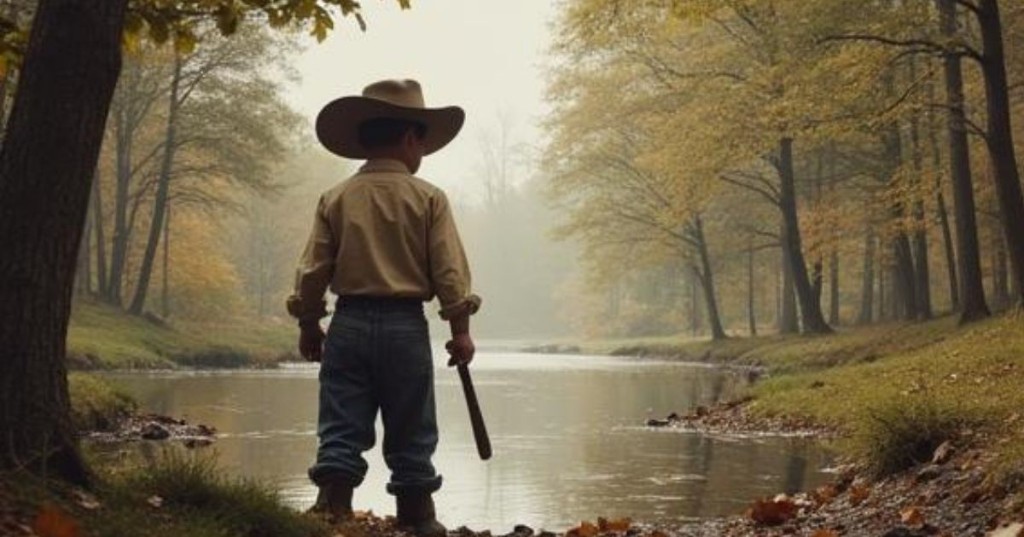
An excerpt from the original text.(complete · 3168 words)
fter dinner all the gang turned out to hunt for turtle eggs on the bar.
They went about poking sticks into the sand, and when they found a soft
place they went down on their knees and dug with their hands. Sometimes
they would take fifty or sixty eggs out of one hole. They were perfectly
round white things a trifle smaller than an English walnut. They had a
famous fried-egg feast that night, and another on Friday morning.
After breakfast they went whooping and prancing out on the bar, and
chased each other round and round, shedding clothes as they went, until
they were naked, and then continued the frolic far away up the shoal
water of the bar, against the stiff current, which latter tripped their
legs from under them from time to time and greatly increased the fun.
And now and then they stooped in a group and splashed water in each
other’s faces with their palms, gradually approaching each other, with
averted faces to avoid the strangling sprays, and finally gripping and
struggling till the best man ducked his neighbor, and then they all
went under in a tangle of white legs and arms and came up blowing,
sputtering, laughing, and gasping for breath at one and the same time.
When they were well exhausted, they would run out and sprawl on the dry,
hot sand, and lie there and cover themselves up with it, and by and by
break for the water again and go through the original performance once
more. Finally it occurred to them that their naked skin represented
flesh-colored “tights” very fairly; so they drew a ring in the sand and
had a circus—with three clowns in it, for none would yield this proudest
post to his neighbor.
Next they got their marbles and played “knucks” and “ringtaw” and
“keeps” till that amusement grew stale. Then Joe and Huck had another
swim, but Tom would not venture, because he found that in kicking off
his trousers he had kicked his string of rattlesnake rattles off his
ankle, and he wondered how he had escaped cramp so long without the
protection of this mysterious charm. He did not venture again until he
had found it, and by that time the other boys were tired and ready to
rest. They gradually wandered apart, dropped into the “dumps,” and
fell to gazing longingly across the wide river to where the village lay
drowsing in the sun. Tom found himself writing “BECKY” in the sand with
his big toe; he scratched it out, and was angry with himself for his
weakness. But he wrote it again, nevertheless; he could not help it. He
erased it once more and then took himself out of temptation by driving
the other boys together and joining them.
But Joe’s spirits had gone down almost beyond resurrection. He was so
homesick that he could hardly endure the misery of it. The tears lay
very near the surface. Huck was melancholy, too. Tom was downhearted,
but tried hard not to show it. He had a secret which he was not ready
to tell, yet, but if this mutinous depression was not broken up soon, he
would have to bring it out. He said, with a great show of cheerfulness:
“I bet there’s been pirates on this island before, boys. We’ll explore
it again. They’ve hid treasures here somewhere. How’d you feel to light
on a rotten chest full of gold and silver—hey?”
But it roused only faint enthusiasm, which faded out, with no reply.
Tom tried one or two other seductions; but they failed, too. It was
discouraging work. Joe sat poking up the sand with a stick and looking
very gloomy. Finally he said:
“Oh, boys, let’s give it up. I want to go home. It’s so lonesome.”
“Oh no, Joe, you’ll feel better by and by,” said Tom. “Just think of the
fishing that’s here.”
“I don’t care for fishing. I want to go home.”
“But, Joe, there ain’t such another swimming-place anywhere.”
“Swimming’s no good. I don’t seem to care for it, somehow, when there
ain’t anybody to say I sha’n’t go in. I mean to go home.”
“Oh, shucks! Baby! You want to see your mother, I reckon.”
“Yes, I do want to see my mother—and you would, too, if you had one. I
ain’t any more baby than you are.” And Joe snuffled a little.
“Well, we’ll let the crybaby go home to his mother, won’t we, Huck? Poor
thing—does it want to see its mother? And so it shall. You like it here,
don’t you, Huck? We’ll stay, won’t we?”
Huck said, “Y-e-s”—without any heart in it.
“I’ll never speak to you again as long as I live,” said Joe, rising.
“There now!” And he moved moodily away and began to dress himself.
“Who cares!” said Tom. “Nobody wants you to. Go ’long home and get
laughed at. Oh, you’re a nice pirate. Huck and me ain’t crybabies. We’ll
stay, won’t we, Huck? Let him go if he wants to. I reckon we can get
along without him, per’aps.”
But Tom was uneasy, nevertheless, and was alarmed to see Joe go sullenly
on with his dressing. And then it was discomforting to see Huck eying
Joe’s preparations so wistfully, and keeping up such an ominous silence.
Presently, without a parting word, Joe began to wade off toward the
Illinois shore. Tom’s heart began to sink. He glanced at Huck. Huck
could not bear the look, and dropped his eyes. Then he said:
“I want to go, too, Tom. It was getting so lonesome anyway, and now
it’ll be worse. Let’s us go, too, Tom.”
“I won’t! You can all go, if you want to. I mean to stay.”
“Tom, I better go.”
“Well, go ’long—who’s hendering you.”
Huck began to pick up his scattered clothes. He said:
“Tom, I wisht you’d come, too. Now you think it over. We’ll wait for you
when we get to shore.”
“Well, you’ll wait a blame long time, that’s all.”
Huck started sorrowfully away, and Tom stood looking after him, with a
strong desire tugging at his heart to yield his pride and go along
too. He hoped the boys would stop, but they still waded slowly on. It
suddenly dawned on Tom that it was become very lonely and still. He made
one final struggle with his pride, and then darted after his comrades,
yelling:
“Wait! Wait! I want to tell you something!”
They presently stopped and turned around. When he got to where they
were, he began unfolding his secret, and they listened moodily till
at last they saw the “point” he was driving at, and then they set up a
warwhoop of applause and said it was “splendid!” and said if he had
told them at first, they wouldn’t have started away. He made a plausible
excuse; but his real reason had been the fear that not even the secret
would keep them with him any very great length of time, and so he had
meant to hold it in reserve as a last seduction.
The lads came gayly back and went at their sports again with a will,
chattering all the time about Tom’s stupendous plan and admiring the
genius of it. After a dainty egg and fish dinner, Tom said he wanted to
learn to smoke, now. Joe caught at the idea and said he would like to
try, too. So Huck made pipes and filled them. These novices had never
smoked anything before but cigars made of grapevine, and they “bit” the
tongue, and were not considered manly anyway.
Now they stretched themselves out on their elbows and began to puff,
charily, and with slender confidence. The smoke had an unpleasant taste,
and they gagged a little, but Tom said:
“Why, it’s just as easy! If I’d a knowed this was all, I’d a learnt long
ago.”
“So would I,” said Joe. “It’s just nothing.”
“Why, many a time I’ve looked at people smoking, and thought well I wish
I could do that; but I never thought I could,” said Tom.
“That’s just the way with me, hain’t it, Huck? You’ve heard me talk just
that way—haven’t you, Huck? I’ll leave it to Huck if I haven’t.”
“Yes—heaps of times,” said Huck.
“Well, I have too,” said Tom; “oh, hundreds of times. Once down by the
slaughter-house. Don’t you remember, Huck? Bob Tanner was there, and
Johnny Miller, and Jeff Thatcher, when I said it. Don’t you remember,
Huck, ’bout me saying that?”
“Yes, that’s so,” said Huck. “That was the day after I lost a white
alley. No, ’twas the day before.”
“There—I told you so,” said Tom. “Huck recollects it.”
“I bleeve I could smoke this pipe all day,” said Joe. “I don’t feel
sick.”
“Neither do I,” said Tom. “I could smoke it all day. But I bet you Jeff
Thatcher couldn’t.”
“Jeff Thatcher! Why, he’d keel over just with two draws. Just let him
try it once. He’d see!”
“I bet he would. And Johnny Miller—I wish could see Johnny Miller tackle
it once.”
“Oh, don’t I!” said Joe. “Why, I bet you Johnny Miller couldn’t any more
do this than nothing. Just one little snifter would fetch him.”
“’Deed it would, Joe. Say—I wish the boys could see us now.”
“So do I.”
“Say—boys, don’t say anything about it, and some time when they’re
around, I’ll come up to you and say, ‘Joe, got a pipe? I want a smoke.’
And you’ll say, kind of careless like, as if it warn’t anything, you’ll
say, ‘Yes, I got my old pipe, and another one, but my tobacker ain’t
very good.’ And I’ll say, ‘Oh, that’s all right, if it’s strong
enough.’ And then you’ll out with the pipes, and we’ll light up just as
ca’m, and then just see ’em look!”
“By jings, that’ll be gay, Tom! I wish it was now!”
“So do I! And when we tell ’em we learned when we was off pirating,
won’t they wish they’d been along?”
“Oh, I reckon not! I’ll just bet they will!”
So the talk ran on. But presently it began to flag a trifle, and
grow disjointed. The silences widened; the expectoration marvellously
increased. Every pore inside the boys’ cheeks became a spouting
fountain; they could scarcely bail out the cellars under their tongues
fast enough to prevent an inundation; little overflowings down their
throats occurred in spite of all they could do, and sudden retchings
followed every time. Both boys were looking very pale and miserable,
now. Joe’s pipe dropped from his nerveless fingers. Tom’s followed. Both
fountains were going furiously and both pumps bailing with might and
main. Joe said feebly:
“I’ve lost my knife. I reckon I better go and find it.”
Tom said, with quivering lips and halting utterance:
“I’ll help you. You go over that way and I’ll hunt around by the spring.
No, you needn’t come, Huck—we can find it.”
So Huck sat down again, and waited an hour. Then he found it lonesome,
and went to find his comrades. They were wide apart in the woods, both
very pale, both fast asleep. But something informed him that if they had
had any trouble they had got rid of it.
They were not talkative at supper that night. They had a humble look,
and when Huck prepared his pipe after the meal and was going to prepare
theirs, they said no, they were not feeling very well—something they ate
at dinner had disagreed with them.
About midnight Joe awoke, and called the boys. There was a brooding
oppressiveness in the air that seemed to bode something. The boys
huddled themselves together and sought the friendly companionship of
the fire, though the dull dead heat of the breathless atmosphere was
stifling. They sat still, intent and waiting. The solemn hush continued.
Beyond the light of the fire everything was swallowed up in the
blackness of darkness. Presently there came a quivering glow that
vaguely revealed the foliage for a moment and then vanished. By and by
another came, a little stronger. Then another. Then a faint moan came
sighing through the branches of the forest and the boys felt a fleeting
breath upon their cheeks, and shuddered with the fancy that the Spirit
of the Night had gone by. There was a pause. Now a weird flash turned
night into day and showed every little grassblade, separate and
distinct, that grew about their feet. And it showed three white,
startled faces, too. A deep peal of thunder went rolling and tumbling
down the heavens and lost itself in sullen rumblings in the distance. A
sweep of chilly air passed by, rustling all the leaves and snowing the
flaky ashes broadcast about the fire. Another fierce glare lit up the
forest and an instant crash followed that seemed to rend the treetops
right over the boys’ heads. They clung together in terror, in the thick
gloom that followed. A few big raindrops fell pattering upon the leaves.
“Quick! boys, go for the tent!” exclaimed Tom.
They sprang away, stumbling over roots and among vines in the dark, no
two plunging in the same direction. A furious blast roared through
the trees, making everything sing as it went. One blinding flash after
another came, and peal on peal of deafening thunder. And now a drenching
rain poured down and the rising hurricane drove it in sheets along the
ground. The boys cried out to each other, but the roaring wind and the
booming thunderblasts drowned their voices utterly. However, one by one
they straggled in at last and took shelter under the tent, cold, scared,
and streaming with water; but to have company in misery seemed something
to be grateful for. They could not talk, the old sail flapped so
furiously, even if the other noises would have allowed them. The tempest
rose higher and higher, and presently the sail tore loose from its
fastenings and went winging away on the blast. The boys seized each
others’ hands and fled, with many tumblings and bruises, to the shelter
of a great oak that stood upon the riverbank. Now the battle was at its
highest. Under the ceaseless conflagration of lightning that flamed
in the skies, everything below stood out in cleancut and shadowless
distinctness: the bending trees, the billowy river, white with foam, the
driving spray of spumeflakes, the dim outlines of the high bluffs on
the other side, glimpsed through the drifting cloudrack and the slanting
veil of rain. Every little while some giant tree yielded the fight
and fell crashing through the younger growth; and the unflagging
thunderpeals came now in ear-splitting explosive bursts, keen and sharp,
and unspeakably appalling. The storm culminated in one matchless effort
that seemed likely to tear the island to pieces, burn it up, drown it to
the treetops, blow it away, and deafen every creature in it, all at one
and the same moment. It was a wild night for homeless young heads to be
out in.
But at last the battle was done, and the forces retired with weaker and
weaker threatenings and grumblings, and peace resumed her sway. The
boys went back to camp, a good deal awed; but they found there was still
something to be thankful for, because the great sycamore, the shelter
of their beds, was a ruin, now, blasted by the lightnings, and they were
not under it when the catastrophe happened.
Everything in camp was drenched, the campfire as well; for they were but
heedless lads, like their generation, and had made no provision against
rain. Here was matter for dismay, for they were soaked through and
chilled. They were eloquent in their distress; but they presently
discovered that the fire had eaten so far up under the great log it had
been built against (where it curved upward and separated itself from
the ground), that a handbreadth or so of it had escaped wetting; so they
patiently wrought until, with shreds and bark gathered from the under
sides of sheltered logs, they coaxed the fire to burn again. Then they
piled on great dead boughs till they had a roaring furnace, and were
gladhearted once more. They dried their boiled ham and had a feast,
and after that they sat by the fire and expanded and glorified their
midnight adventure until morning, for there was not a dry spot to sleep
on, anywhere around.
As the sun began to steal in upon the boys, drowsiness came over
them, and they went out on the sandbar and lay down to sleep. They got
scorched out by and by, and drearily set about getting breakfast. After
the meal they felt rusty, and stiff-jointed, and a little homesick once
more. Tom saw the signs, and fell to cheering up the pirates as well as
he could. But they cared nothing for marbles, or circus, or swimming, or
anything. He reminded them of the imposing secret, and raised a ray of
cheer. While it lasted, he got them interested in a new device. This was
to knock off being pirates, for a while, and be Indians for a change.
They were attracted by this idea; so it was not long before they were
stripped, and striped from head to heel with black mud, like so many
zebras—all of them chiefs, of course—and then they went tearing through
the woods to attack an English settlement.
By and by they separated into three hostile tribes, and darted upon each
other from ambush with dreadful warwhoops, and killed and scalped each
other by thousands. It was a gory day. Consequently it was an extremely
satisfactory one.
They assembled in camp toward suppertime, hungry and happy; but now
a difficulty arose—hostile Indians could not break the bread of
hospitality together without first making peace, and this was a simple
impossibility without smoking a pipe of peace. There was no other
process that ever they had heard of. Two of the savages almost wished
they had remained pirates. However, there was no other way; so with such
show of cheerfulness as they could muster they called for the pipe and
took their whiff as it passed, in due form.
And behold, they were glad they had gone into savagery, for they had
gained something; they found that they could now smoke a little without
having to go and hunt for a lost knife; they did not get sick enough to
be seriously uncomfortable. They were not likely to fool away this high
promise for lack of effort. No, they practised cautiously, after supper,
with right fair success, and so they spent a jubilant evening. They were
prouder and happier in their new acquirement than they would have been
in the scalping and skinning of the Six Nations. We will leave them to
smoke and chatter and brag, since we have no further use for them at
present.
Master this chapter. Complete your experience
Purchase the complete book to access all chapters and support classic literature
As an Amazon Associate, we earn a small commission from qualifying purchases at no additional cost to you.
Available in paperback, hardcover, and e-book formats
Let's Analyse the Pattern
The Adventure Decay Cycle
All escapes from routine eventually develop their own routines, requiring constant adaptation rather than constant change.
Why This Matters
Connect literature to life
This chapter teaches how to spot when initial excitement naturally fades and problems emerge in any new situation.
Practice This Today
This week, notice when you hear someone complaining about something they were initially excited about—ask yourself if they're hitting the end of the honeymoon phase or facing a real problem that needs addressing.
Now let's explore the literary elements.
Key Quotes & Analysis
"I want to go home. It's so lonesome."
Context: Joe finally admits his homesickness after the initial excitement of their pirate adventure wears off
This simple, honest statement cuts through all of Tom's romantic notions about their adventure. Joe's willingness to be vulnerable and admit his true feelings shows emotional maturity that Tom lacks. It's the moment when reality crashes into fantasy.
In Today's Words:
I'm done pretending this is fun. I miss home and I'm tired of acting like I don't.
"Oh, you're a nice pirate. You are! You're nothing but a cry-baby!"
Context: Tom's angry response when Joe expresses wanting to go home
Tom immediately resorts to name-calling and shame when his leadership is challenged. Instead of listening to Joe's feelings or trying to understand, he attacks Joe's character. This shows Tom's immaturity and his fear of losing control over the situation.
In Today's Words:
You're ruining everything! Stop being such a baby and suck it up!
"Well, let's try it; I don't believe it's so hard."
Context: Tom suggesting they try smoking pipes to prove their sophistication
This quote captures the dangerous overconfidence of youth. Tom dismisses the difficulty of something he's never tried, driven by his need to appear mature and worldly. It sets up their inevitable failure and sickness from the tobacco.
In Today's Words:
How hard could it be? Let's just do it and see what happens.
Thematic Threads
Identity
In This Chapter
The boys try on adult behaviors (smoking pipes) but aren't ready for the consequences, getting sick instead of feeling mature
Development
Building from earlier role-playing, now showing the gap between wanting to be something and actually being ready for it
In Your Life:
You might recognize this when you take on responsibilities or behaviors you think you want but aren't actually prepared for.
Social Expectations
In This Chapter
Tom uses shame and peer pressure to try controlling his crew, calling Joe a 'crybaby' when honest emotion threatens group dynamics
Development
Evolved from Tom's earlier manipulation tactics, now showing how social pressure can backfire when people's hearts aren't in it
In Your Life:
You see this when someone tries to shame you into staying in a situation that no longer serves you.
Personal Growth
In This Chapter
The thunderstorm forces the boys to work together for survival, temporarily solving their interpersonal conflicts through shared necessity
Development
Continuing the theme that real growth comes through facing challenges rather than avoiding them
In Your Life:
You experience this when external pressures force you to set aside petty conflicts and focus on what really matters.
Human Relationships
In This Chapter
Huck wavers between loyalty to Tom and his own desires, caught in the middle of conflicting allegiances
Development
Deepening exploration of how relationships create competing obligations and emotional pulls
In Your Life:
You feel this tension when you're torn between loyalty to someone and doing what you know is right for yourself.
Class
In This Chapter
The boys' attempt at 'adult' smoking reveals their inexperience with behaviors they associate with maturity and status
Development
Continuing examination of how class markers and adult privileges aren't automatically accessible through imitation
In Your Life:
You might see this when you try to adopt behaviors or possessions you think signal success but feel uncomfortable or inauthentic.
You now have the context. Time to form your own thoughts.
Discussion Questions
- 1
What triggers Joe's homesickness, and how does Tom try to handle it?
analysis • surface - 2
Why does Tom's strategy of calling Joe a 'crybaby' backfire instead of motivating him to stay?
analysis • medium - 3
Think about a time when something exciting became routine for you - a new job, relationship, or hobby. What patterns do you recognize from Tom's pirate adventure?
application • medium - 4
When someone you're leading or working with loses motivation, what approaches work better than shame or guilt?
application • deep - 5
The boys switch from playing pirates to Indians by the end. What does this teach us about dealing with boredom and maintaining relationships?
reflection • deep
Critical Thinking Exercise
Map Your Honeymoon-to-Reality Cycle
Think of something in your life that started exciting but became routine - a job, relationship, living situation, or hobby. Draw a simple timeline showing: the honeymoon phase, when reality set in, what specific problems emerged, and how you adapted (or didn't). Then identify one current situation where you might be in the honeymoon phase and predict what challenges might emerge.
Consider:
- •What were you actually trying to escape from in the first place?
- •Which problems were truly solved versus which ones just changed form?
- •What adaptation strategies worked versus what made things worse?
Journaling Prompt
Write about a time when you wanted to quit something during the 'reality phase' but stuck it out. What helped you push through, and what did you learn about yourself in the process?
Coming Up Next...
Chapter 17: The Boys Crash Their Own Funeral
While the boys play at being dead pirates and Indians on their island, the real world mourns their disappearance. Their families grieve, and the entire town falls into an unusual quiet, unaware that their 'lost' children are very much alive and learning hard lessons about the cost of freedom.



